


ArmInfo. Regular charter cargo flights carrying Armenian agricultural produce to the United Arab Emirates (UAE) will begin in November. Armenian Economy Minister Gevorg Papoyan announced this on his Facebook page.
This agreement, he said, was reached during a meeting with Almarex Aviation Ventures co-founder Makar Petrosyan and director Paruyr Vardanyan. "Almarex Aviation Ventures plans to operate regular cargo flights to the UAE starting in early November to ensure the safe and affordable transportation of Armenian agricultural produce." According to the company's director, the cost of air freight for exports from Armenia will be $2.20 (approximately 790 drams - ed.) per kilogram, however, if certain factors change, the price may decrease," Papoyan wrote.
According to him, the flights will be operated on Boeing 737-800 aircraft, which will allow for the transportation of approximately 20 tons of cargo per flight. "Export diversification is one of the priorities of our country's economic agenda, and in this context, the UAE is an important market for Armenia. This initiative is in line with the government's priorities and will create new opportunities for expanding the export volumes of Armenian products," the Armenian Minister of Economy noted.
Stressing the importance of speed in the export of fresh agricultural produce, the minister also welcomed the business community's willingness to cooperate with the government in this area and expressed hope that this will contribute to the expansion of the presence of Armenian products in international markets in larger volumes. He noted that if the initiative is successfully implemented, the possibility of organizing similar flights to other destinations will be considered.
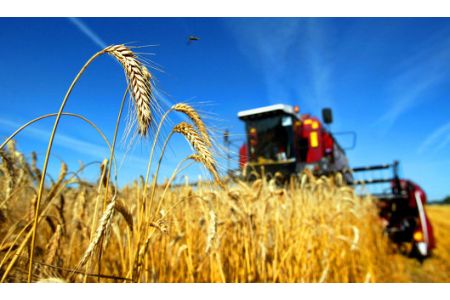
It should be noted that, according to the Statistical Committee of Armenia, gross agricultural output decreased by 11.9% year-on-year in January-June 2026 to 310.1 billion drams. By comparison, a year earlier, in January-June 2025, gross agricultural output increased by 7.3% year-on-year to 316.1 billion drams.
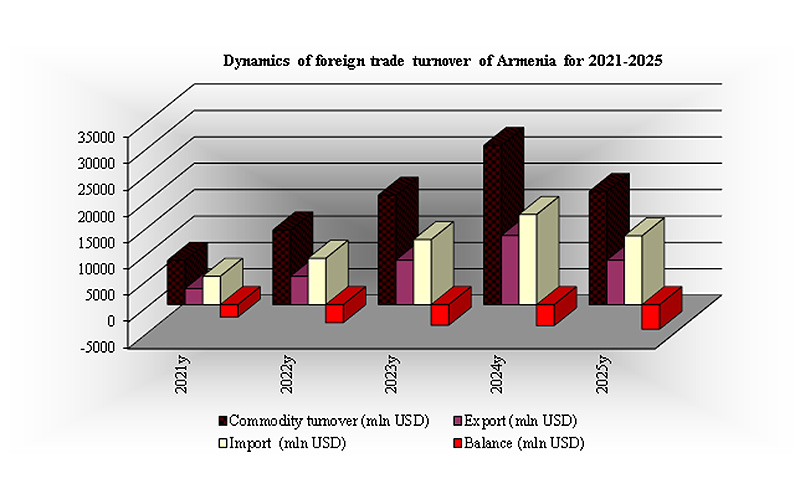
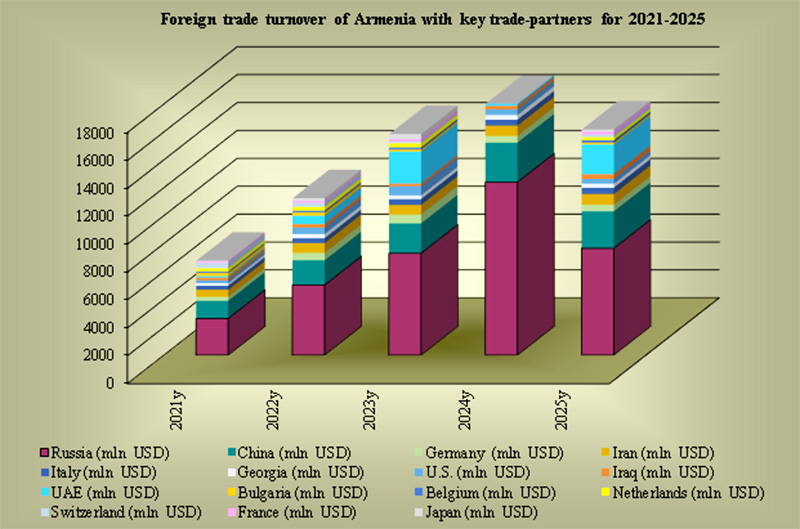
It should be added that, starting in April, Russia introduced gradual restrictions on the import of Armenian agricultural products. The official reason cited was sanitary and phytosanitary violations and a lack of safety oversight by authorized Armenian agencies. The real reason for the restrictions, however, is the overt anti-Russian actions of the Armenian leadership, amid Yerevan's course toward rapprochement with the European Union. These "sanctions" have already led to a reduction in trade turnover: in the first five months of 2026, mutual trade volumes between Armenia and Russia fell by 21.5% compared to the same period last year. Difficulties have arisen in agricultural exports: due to the blockage of supplies during the summer peak season, exports of Armenian fruits, vegetables, and flowers showed a sharp drop of 74.5%. According to experts, financial losses to businesses amount to tens of millions of dollars, creating the threat of mass bankruptcy for hundreds of greenhouse and farm enterprises.