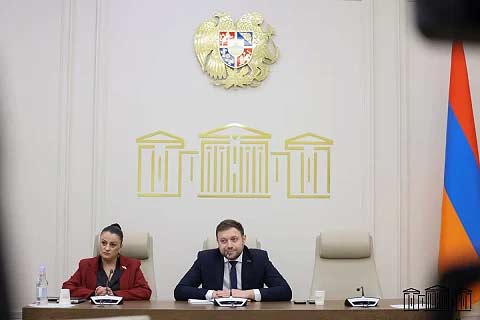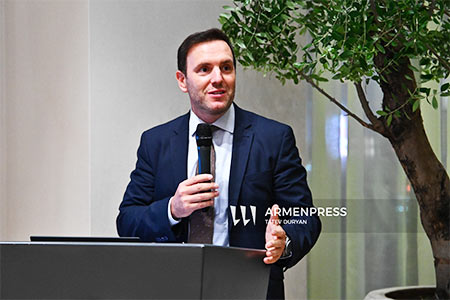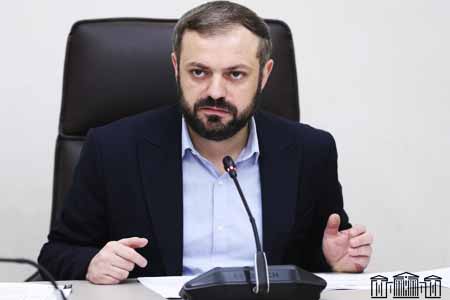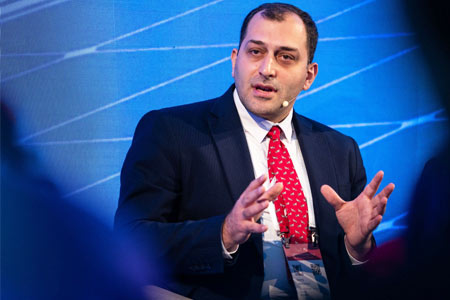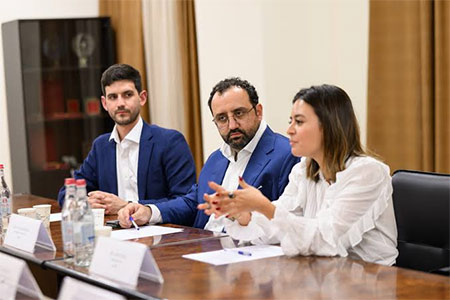


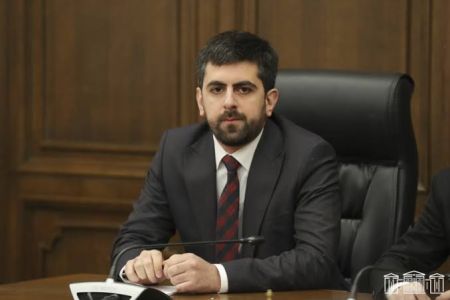
ArmInfo. For Armenia, energy diversification is a strategic priority directly linked to security, sovereignty, and long-term independence. Sargis Khandanyan, head of the Armenian delegation to the OSCE PA and Chairman of the Foreign Relations Committee of the National Assembly of the Republic of Armenia, stated this during his speech at the autumn session of the Parliamentary Assembly of the Organization for Security and Cooperation in Europe, held in Andorra la Vella.
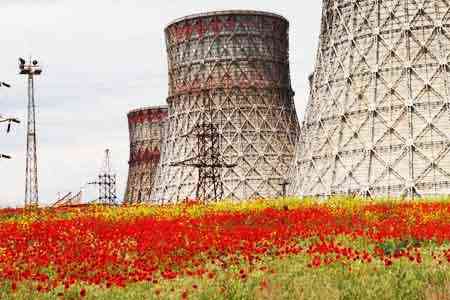
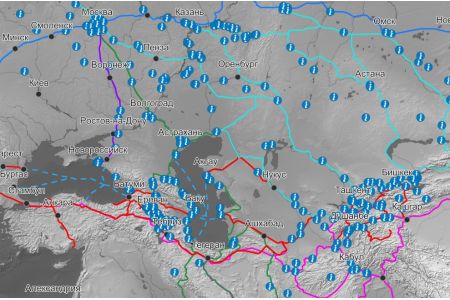
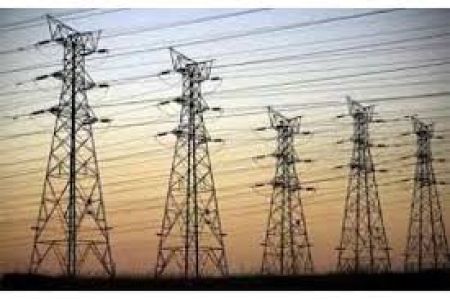
According to him, energy security has ceased to be a matter of purely economic development or access to resources. It has become a fundamental component of national security, political independence, and state sovereignty. "The challenges of recent years have shown that excessive dependence on a limited number of energy suppliers, sources, or transit routes can create strategic vulnerabilities and undermine the ability of states to make sovereign decisions. In this context, replacing dependence on a few with cooperation with many is becoming a crucial principle of energy security. Strengthening energy sovereignty does not mean striving for isolation or complete self-sufficiency. On the contrary, it is closely linked to diversification, strengthening partnerships, and deepening regional cooperation. Equally important is a pragmatic and technologically open approach to energy production, utilizing diverse sources and technologies, while simultaneously increasing the efficiency, sustainability, and reliability of infrastructure," the parliamentarian stated. He added that energy diversification is a strategic priority for Armenia, directly linked to security, sovereignty, and long-term independence. "We are implementing a comprehensive transformation of our energy sector. Energy production capacity has expanded significantly. In 2018, Armenia's solar energy capacity was only 16 megawatts. Today, this figure exceeds 1,200 megawatts, and by 2025, solar energy already accounted for more than 16% of the country's total electricity generation. We are currently taking steps to implement battery-based energy storage systems to ensure greater flexibility and reliability. At the same time, we are exploring the potential of green hydrogen and advancing our plans to modernize nuclear energy as a critical component of a diversified energy system. Furthermore, the changing political and security environment in our region is opening up new and more significant opportunities," said Sarkis Khandanyan. He added that the establishment of peace in the region has created a new foundation for regional connectivity and economic cooperation, including in the energy sector. The TRIPP project is an important part of this new reality. In addition to transport connectivity, the project provides opportunities for the development of energy infrastructure, including power transmission lines.
"At the same time, Armenia is working with its neighbors to expand cross-border electricity connections, creating opportunities for a more resilient energy system, deeper regional integration, and mutually beneficial energy trade. Our experience shows that energy sovereignty and regional interdependence are not mutually exclusive goals. Peace creates opportunities for energy cooperation, and energy cooperation, in turn, can make the world more resilient," concluded Sarkis Khandanyan.