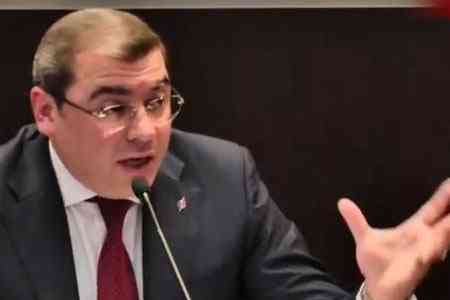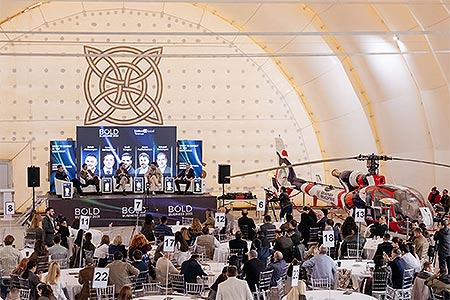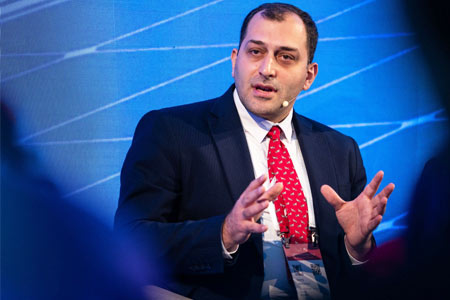



ArmInfo. Armenia's industry has demonstrated steady growth in recent years, as stated by RA Prime Minister Nikol Pashinyan on July 6 during the plenary session of the INNOPROM-2026 exhibition in Yekaterinburg.
According to the Prime Minister, industrial production grew by 4.7% in 2025 compared to 2024, and by 13% in the first four months of 2026 compared to the same period last year. Over the past nine years, the manufacturing sector has doubled. The development of microelectronics, pharmaceuticals, and robotics is driving demand for fundamental scientific research and the modernization of professional education, effectively creating a qualitatively new labor market.
Pashinyan emphasized that a core priority of Armenia's industrial policy is the formation of knowledge- intensive manufacturing. This approach aims to secure technological progress through the optimization of digitalization processes, the implementation of artificial intelligence, and data analytics. He noted that such a strategy enhances the industry's investment appeal, accelerates the adoption of cutting-edge technologies, and creates the necessary conditions for producing high-value-added goods.
"Our innovation development strategy focuses on ensuring sustainable growth through integration into global technological trends and securing a prominent place on the world map of information technology and high-tech industry," the Prime Minister stated. He added that the large-scale investments seen recently indicate that Armenia is increasingly perceived as a reliable country and partner with a long-term strategic vision in high technologies.
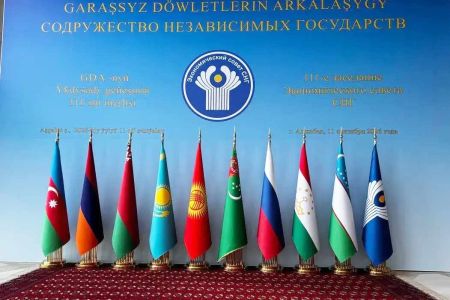
The Prime Minister emphasized that industry is a driving force, including within the Eurasian Economic Union. He pointed to the launch of a financial support mechanism for industrial cooperation projects as a practical tool for achieving integration goals, noting that it enhances the competitiveness of EAEU member states and creates favorable conditions for mutually beneficial cooperation. Armenian industrial enterprises are already participating in several joint projects with their EAEU partners.
Pashinyan also noted that amidst the rapid advancement of information technology and artificial intelligence, the humanitarian aspect must remain a priority. He emphasized that new technologies are intended not to replace humans, but to relieve them of routine tasks, thereby opening new horizons for intellectual and creative activity.