


ArmInfo.Armenia is facing the consequences of increased export dependence on the Russian market: Russia's restrictions on Armenian imports have jeopardized approximately $594 million worth of locally produced goods, or 2.4% of GDP, exposing the vulnerability of the country's economic model. Renowned Armenian economist Aghasi Tavadyan writes about this in an article for tvyal.com.
The study states that more than 90 percent of Armenia's agricultural output is exported to Russia, highlighting the lack of alternative routes for the export of perishable goods. According to estimates by the Central Bank of Armenia, the damage due to import sanctions could reach 2% of GDP.
The economist believes it's important to note that the bans were introduced in stages, reaching June 11-the start of the stone fruit sales season. Expectations of seasonal revenues are evaporating, exposing the vulnerability of Armenian exports to Russia. Transit through Russia to other EAEU countries is also blocked.
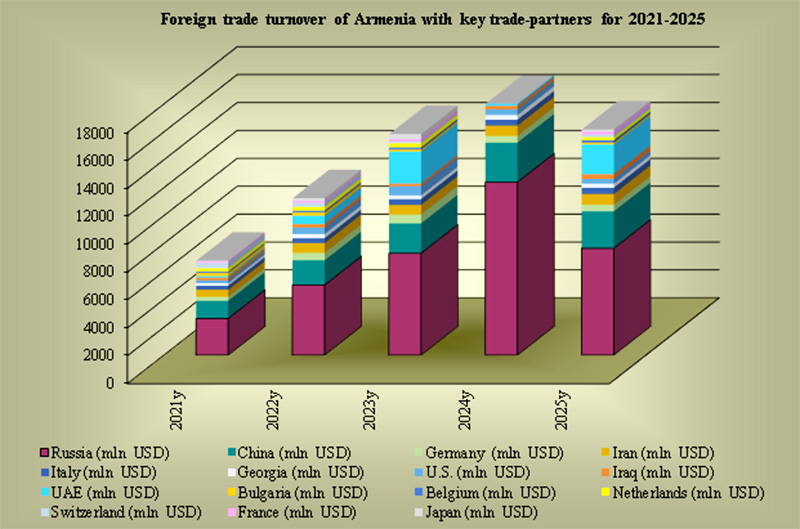
The scientist believes that the "diversification" policy announced by the Armenian government several years ago has failed. Since 2018, Armenia's trade dependence on Russia has worsened. In the first four months of 2026, EAEU countries accounted for 39% of the country's total exports, and the EU for 15%. The 2025 figures are the EU (30%) and the EAEU (26%). It can be concluded that trade figures with Russia have become closer, which is a clear departure from the "diversification" policy.
To understand the scale, the economist cites the following data: cognac exports to Russia in 2025 amounted to $283.2 million, or 83% of the total, while fish exports amounted to $77.6 million (98%). For other product categories-flowers, vegetables, mineral water, etc.-the dependence ranges from 86% to 94%. Moreover, for tomatoes, all exports (100%) go to Russia. Armenia is comparatively less dependent on wine exports, with only 68% of this product going to Russia, which in monetary terms amounted to $13.5 million in 2025.
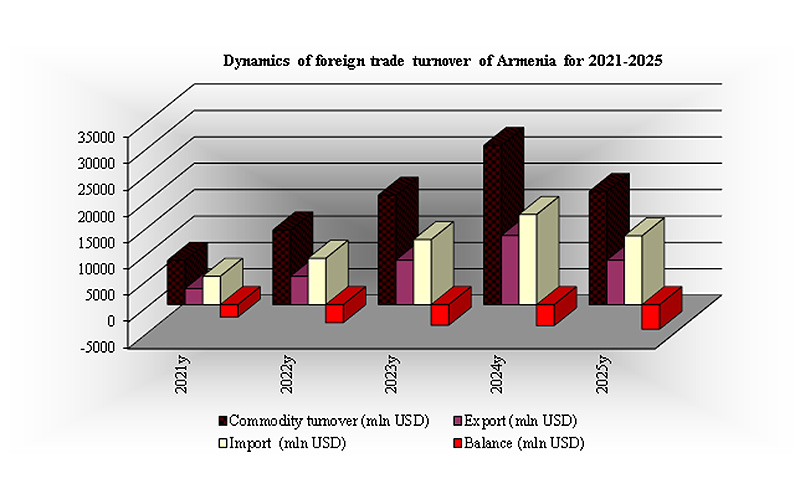
According to the economist, excluding the effect of re-exports, which rose to $14 billion in 2024 thanks to massive flows, the current real economic picture is significantly different. Of the approximately $8.3 billion in exports for 2025 through April 2026, almost a third was accounted for by precious stones and metals as residual re-exports. Products actually produced in Armenia-cognac, fish products, fruits, and flowers- account for a significantly smaller share of the overall structure. The restrictions are hitting precisely this vulnerable segment of local production. Agriculture, Tavadyan believes, is the sector that has been declining even amid overall GDP growth, and it is now bearing the brunt of the restrictions.
According to the economist, despite state support for exports to Europe, Canada, and the UK, and the ?50 million allocated by the European Union to the agricultural sector, economic losses could amount to approximately 1% of GDP ($300 million). If the restrictions affect the entire cognac export industry, additional losses will amount to $200 million.
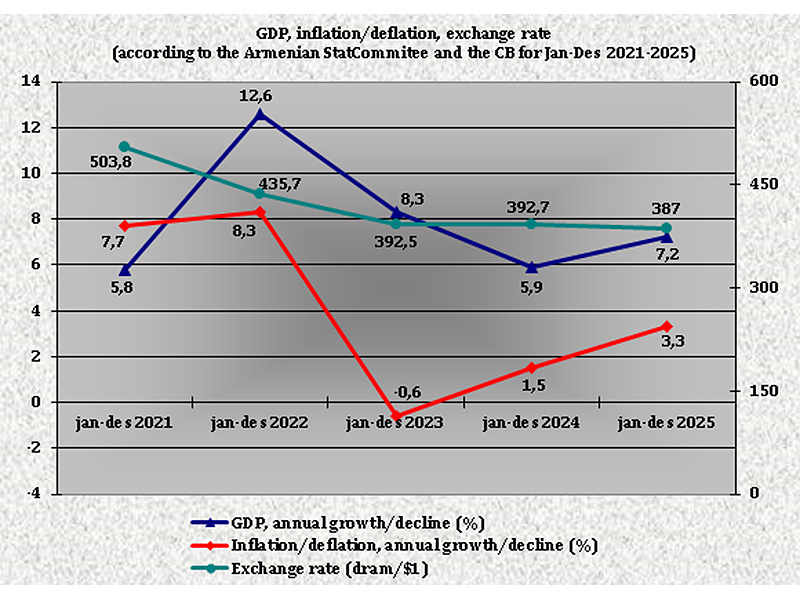
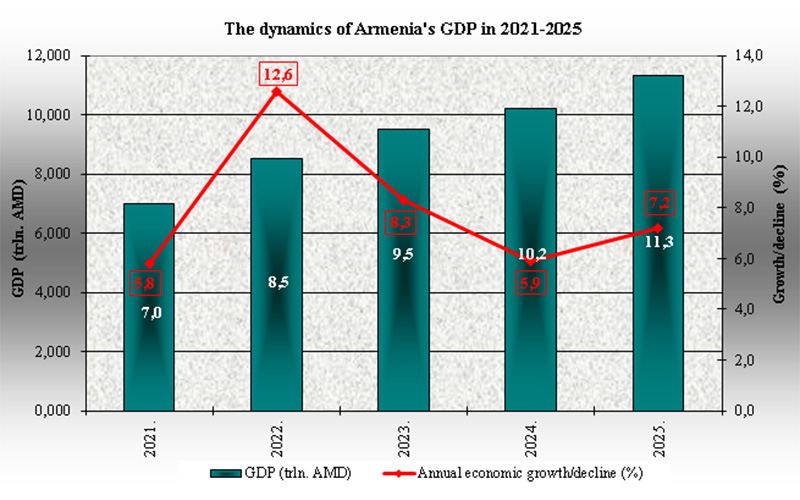
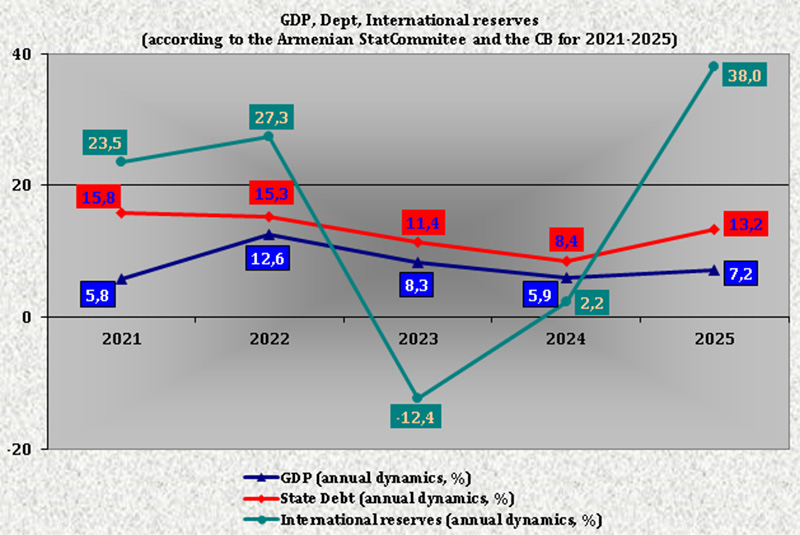
According to the expert, Armenia currently faces several macroeconomic risks. First, Armenia's economic growth in recent years has been supported by capital inflows from Russia and the relocation of IT specialists, resulting in a record GDP growth of 12.6% in 2022. Currently, the economy is deprived of financial inflows, highlighting the vulnerability of its structure without a safety net. Second, the lack of alternative routes for perishable agricultural products leads to a lack of markets. Subsidies are insufficient to cover the volume of risks. Third, the damage is long-term and the recovery will be irreversible. Farms are losing finances and motivation for further agricultural work.