


ArmInfo. Armenia's economy continued to grow at a rapid pace in 2026. Anton Dolgovechny, Senior Analyst at the Center for Country Analysis of the EDB's Directorate for Research, announced this on June 15 during an online presentation on the new macroeconomic forecast for 2026-2028.
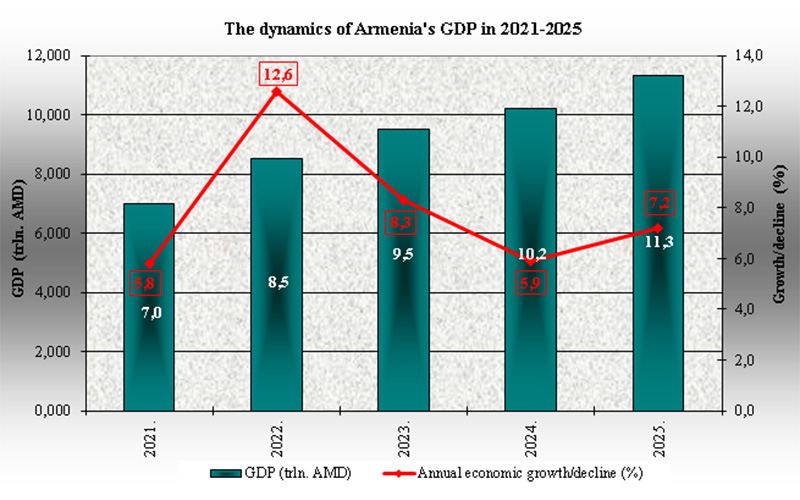
According to him, economic activity in Armenia grew by 6.9% year-on-year in January-April of this year. This growth is primarily driven by services to the population and construction, driven by a relatively high increase in household incomes. Industrial growth has also resumed, growing by 12% over the first four months. Under these circumstances, the EDB forecasts economic growth in Armenia in 2026 to be around 6%. High consumer activity will be the main driver of growth.
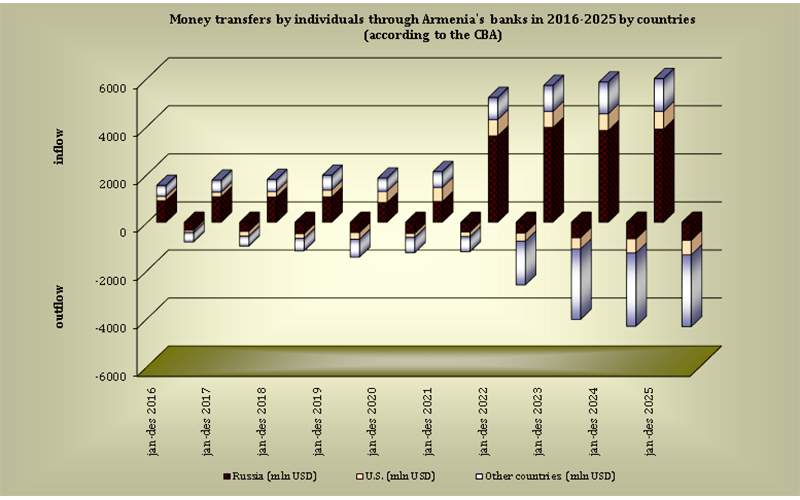
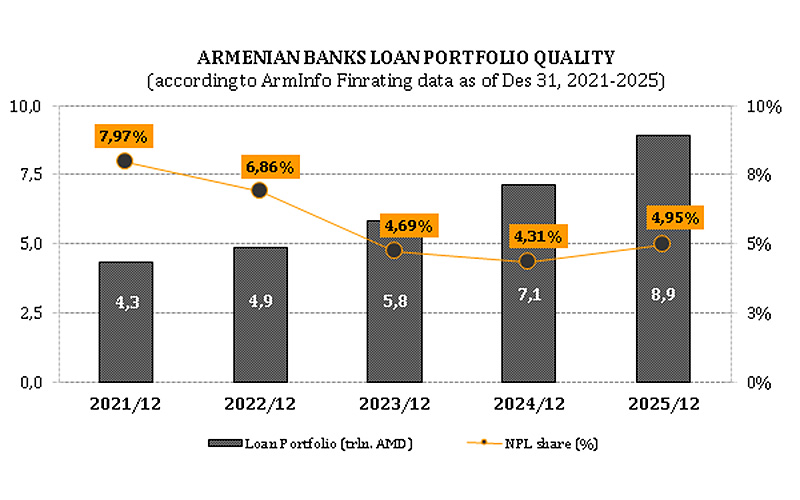
Furthermore, as Dolgovechny emphasized, high incomes will facilitate the expansion of consumer lending, which, according to April data, has already grown by 15.5%. Remittances will also remain high, having increased by more than 17% over the past four months. Given Russia's expected GDP growth, this trend can be expected to improve.
The expansion of economic activity in Armenia will also be driven by increased investment, which amounted to 7% in the first quarter of this year. Moreover, the country's state budget will be the main source of investment. According to EDB estimates, capital expenditures in Armenia could remain within 5.7% of GDP over the entire forecast horizon. The Bank forecasts that Armenia's high economic growth rates will remain strong in 2027-2028, during which time average GDP growth will be 5.5%.
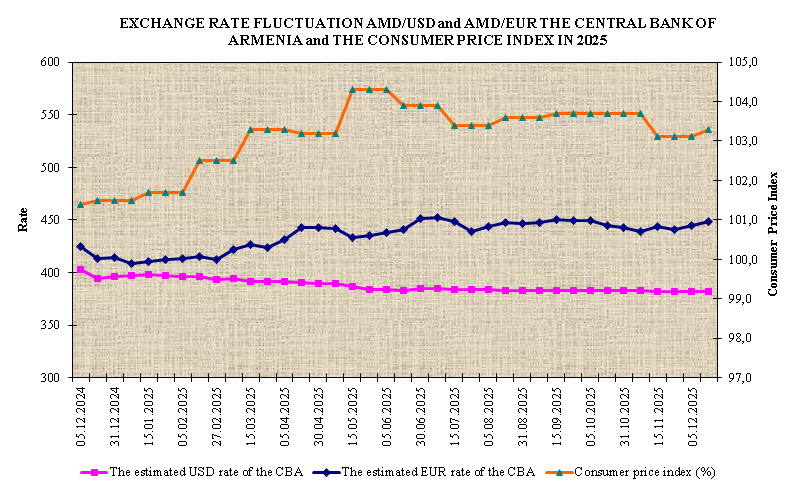
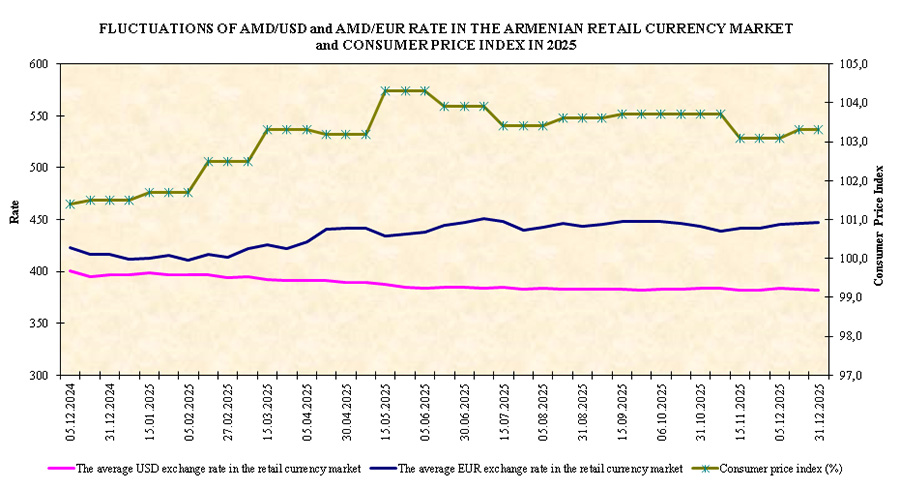
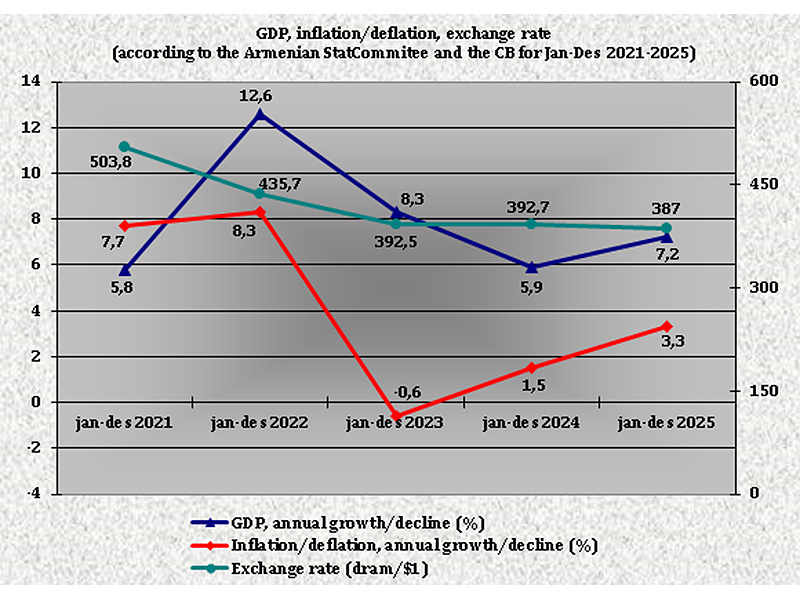
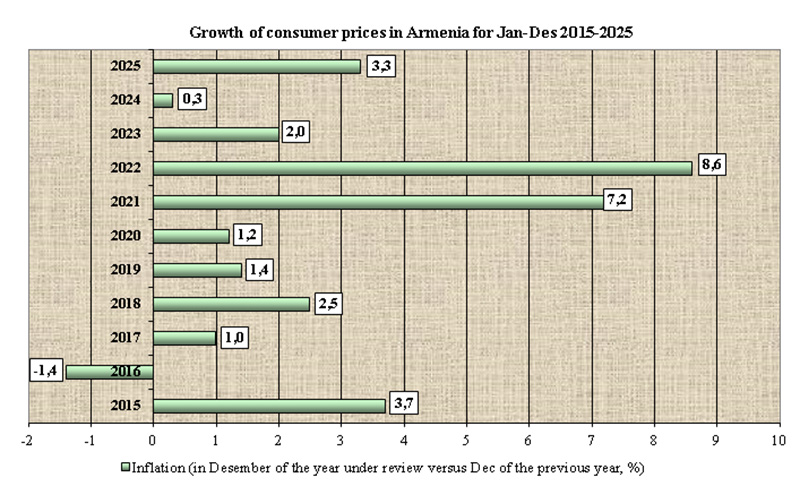
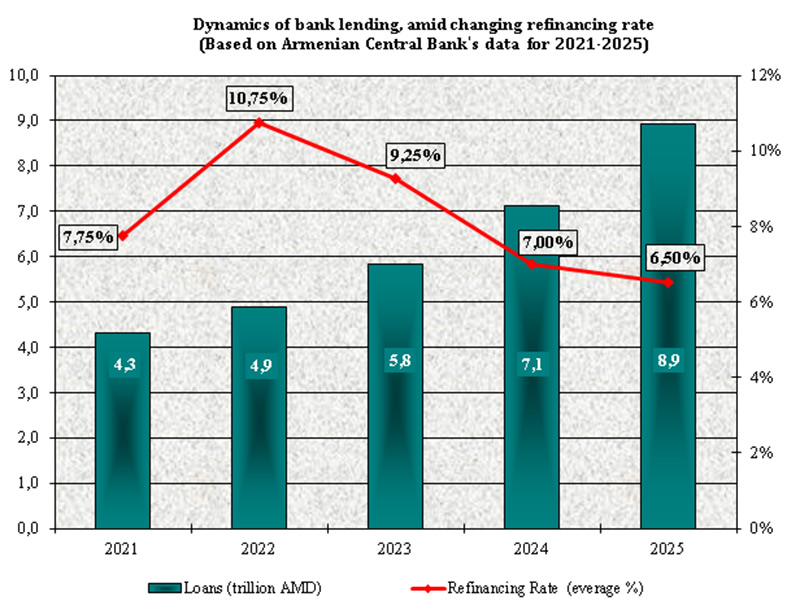
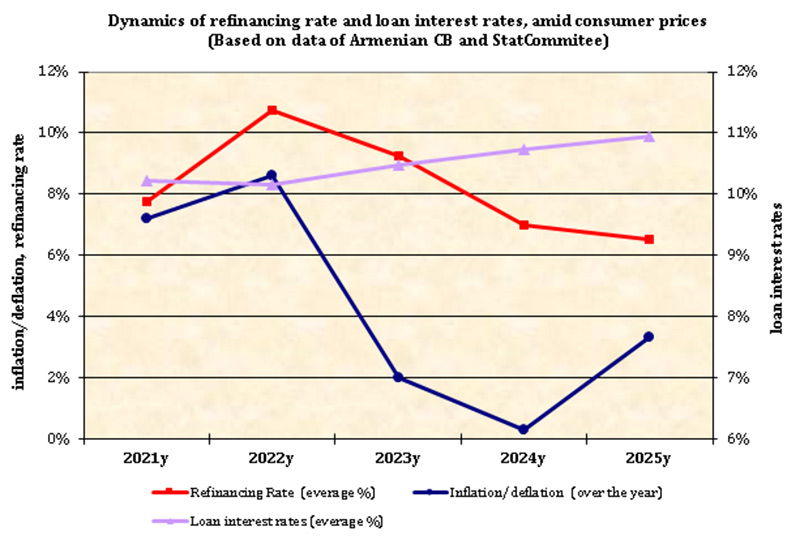
At the same time, the country is experiencing accelerating inflation, which reached 5.3% in April, above the target of 3%. The main reason for the price increase was a 9.5% rise in food prices. This was due to external factors: global price increases for both food products and energy, which drove up logistics costs. However, the Bank believes that after peaking in May-June, inflation in Armenia will begin to slow, reaching around 4-4.4% by the end of the year. The strong exchange rate of the national currency, the dram, and the expected increase in the refinancing rate will contribute to the slowdown in inflation. Inflation in Armenia will stabilize in 2027-2028, closer to the target level. The EDB believes that, given existing risks, the refinancing rate could be raised to 7.5% by the end of 2026, from the current 6.6%.
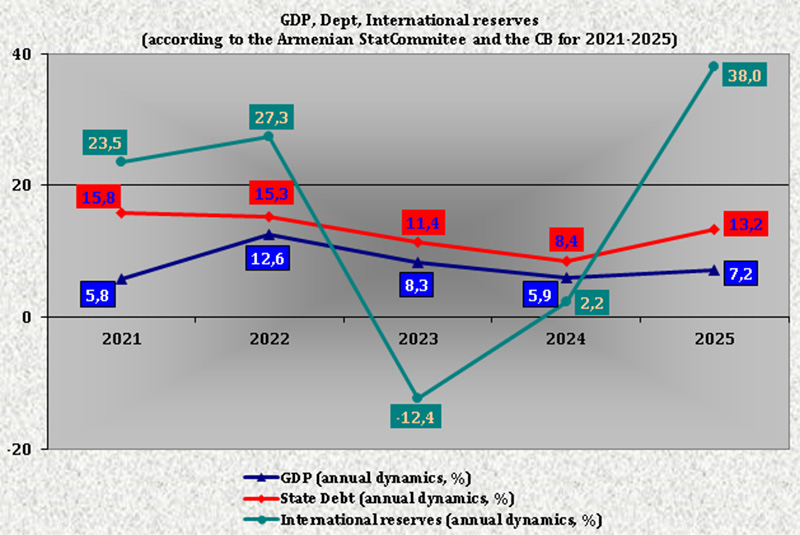
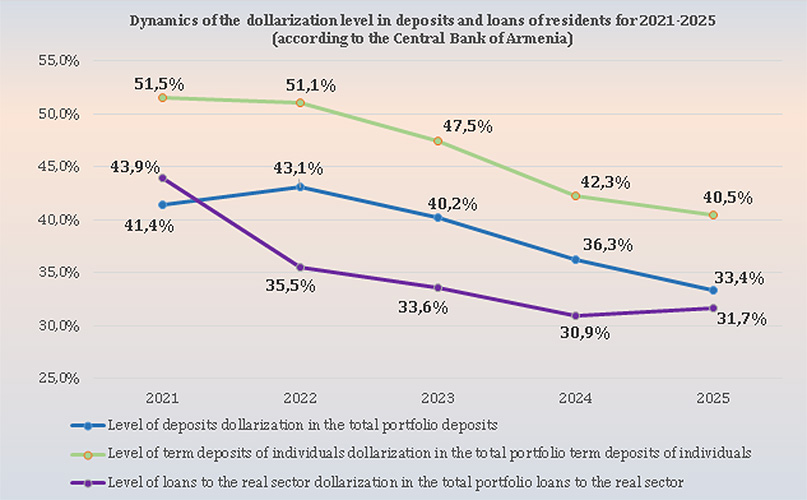
This will help cool strong domestic demand and limit the impact of global price increases on goods and logistics. In 2028, the EDB expects a cautious reduction in the refinancing rate. The dram remains stable, despite its 4.4% appreciation against the dollar and euro since the beginning of the year. High remittances are a key support factor. Furthermore, external stability is strengthened by international reserves, which reached a record high of $5.5 billion in March, allowing for a smooth cushion against sharp fluctuations in the dollar and euro.
Under these circumstances, the Eurasian Development Bank (EDB) forecasts the dram to average 376 drams against the US dollar in 2026, with the same figure forecast for 2027-2028. Some weakening of the dram is possible amid expanding investment and consumer activity. Furthermore, rising global commodity and food prices will also have an impact.