

ArmInfo. Under the new SBA, Armenia may receive the first Stand-By Arrangement from the International Monetary Fund (IMF) in the amount of approximately $25.3 million (SDR 18.4 million) in June 2026. The agreement is subject to approval by the IMF's Executive Board, scheduled to consider this review in June.
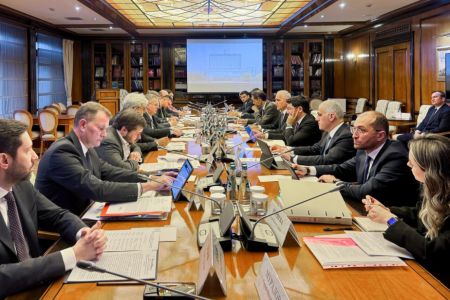
As a result, the total available funds since the program's inception in December 2025 will be approximately $50.6 million (SDR 36.8 million). This was noted in a statement issued by the IMF, which mentioned that an International Monetary Fund team led by Alexander Tieman visited Yerevan from March 19-30, 2026, to conduct discussions for the first review under the Stand-By Arrangement (SBA) with Armenia.
Specifically, the statement notes that the IMF staff and the Armenian authorities have reached a staff-level agreement on the first review under the 3-year Stand-By Arrangement (SBA), which the Armenian authorities treat as precautionary. The SBA aims to support the government's policy and reform agenda to maintain macroeconomic stability and support strong and sustainable growth.
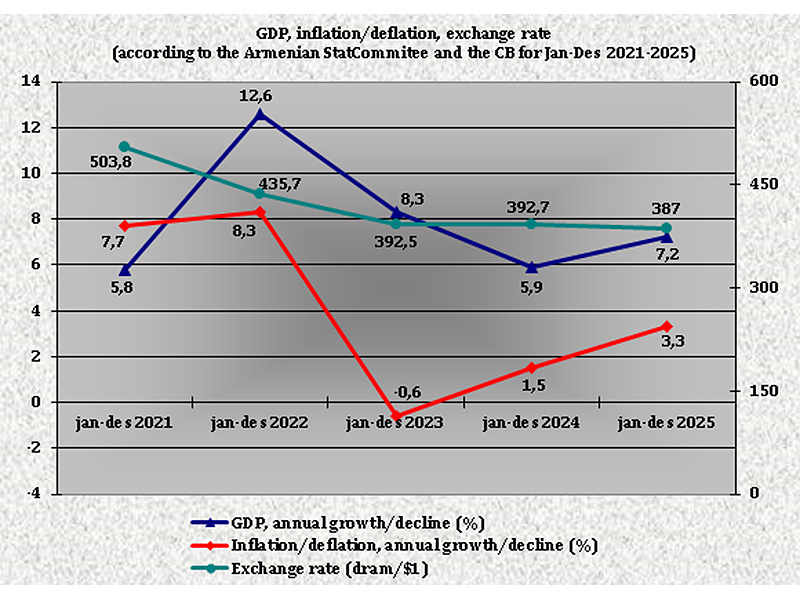
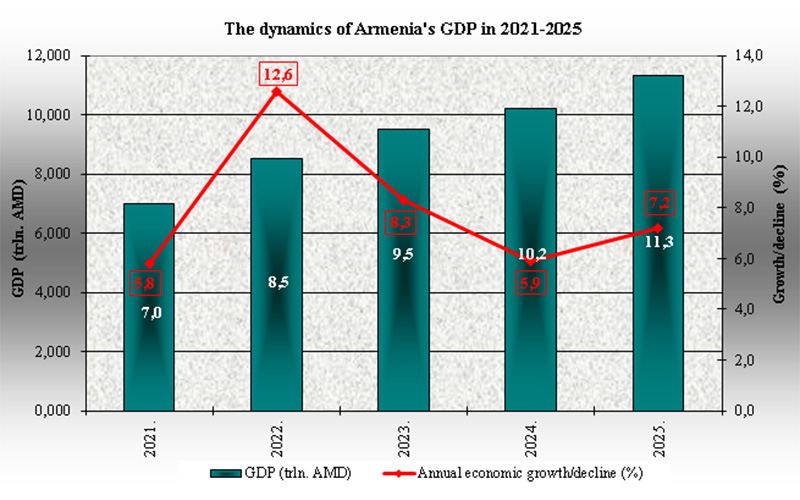
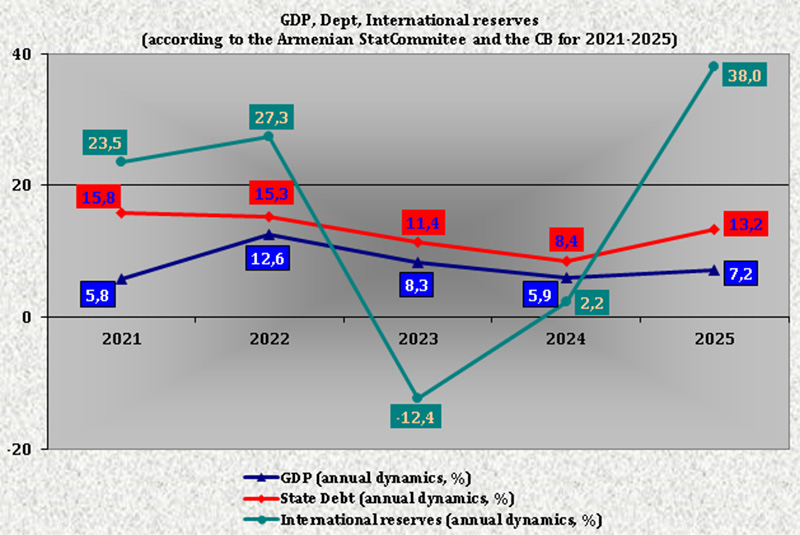
The IMF notes that Economic activity remains strong. GDP growth reached 7.2 percent in 2025 and is expected to gradually decelerate in 2026 as domestic demand softens and the broader impact from the war in the Middle East materializes Policy priorities include enhancing economic resilience, further mobilizing tax revenues and prioritizing spending to maintain a moderate debt level, strengthening institutional frameworks, and continuing structural reforms to enhance trade diversification, improve the overall business environment, and foster more inclusive growth.
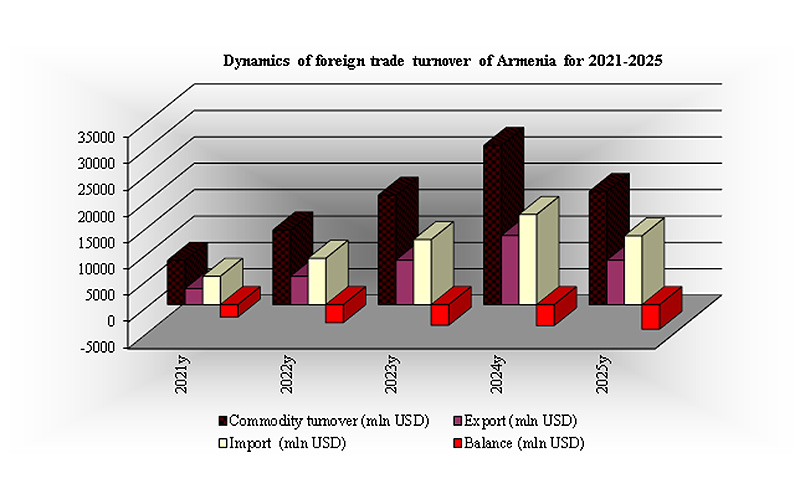
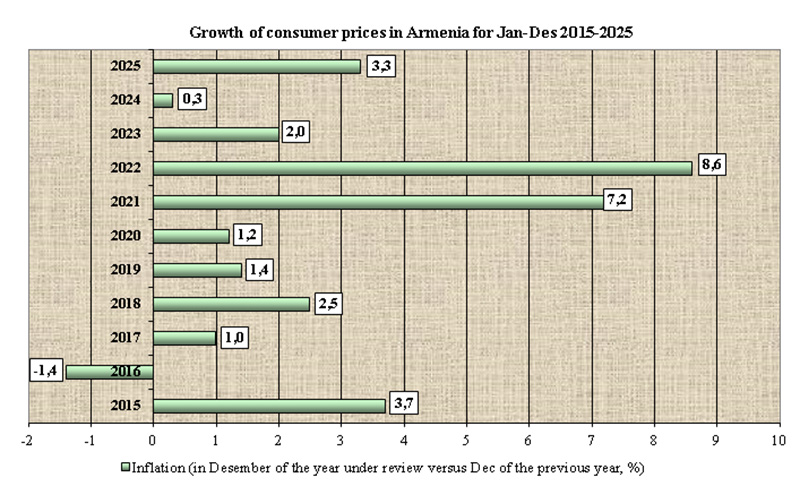
Following the discussions, Alexander Timan emphasized: " Armenia's economic activity remains robust, with real GDP growth of 7.2 percent in 2025, driven by strong consumption and investment. Employment growth has been steady, and inflation has gradually picked up, reaching 4.3 percent year-on-year in February 2026. The current account deficit widened to 7.2 percent of GDP in 2025 as domestic demand strengthened alongside continued normalization of trade flows with a decline in transit trade. At 3.7 percent of GDP, the 2025 fiscal deficit was appropriately lower than budgeted to avoid adding on domestic demand pressures and keeping central government debt moderate at 47.3 percent of GDP. The banking system is highly profitable and has strong capital and liquidity buffers.
Real GDP growth is expected to remain strong but decelerate to 5.3 percent in 2026 as domestic demand softens and some trade disruptions from the war in the Middle East materialize. Inflation is expected to remain elevated in the short run on the back of oil price increases and increased logistics costs from trade re-routing, but return to Central Bank of Armenia's (CBA) target over the medium run. (3%, +/- 1 percentage point - Ed.) . Risks to this outlook stem from the unprecedented uncertainty related to the ongoing war in the Middle East. In the short run these include further commodity price volatility, trade disruption, and increased trade logistics costs. Over the medium term, potential slowdown in the growth of trading partners and tighter global financial conditions could affect Armenia. On the upside, growth could exceed expectations if transport links underpinning the peace declaration are implemented more swiftly. ," Mr. Timan said, noting that, on the upside, growth could exceed expectations if transport links underpinning the peace declaration are implemented more swiftly.
He noted that in the upcoming medium-term expenditure framework, the authorities aim to preserve macro- fiscal stability while supporting Armenia's development needs. "In this context, the 2026 budget deficit target remains appropriate and achievable, accommodating priority spending needs, including social protection, human capital, national security, and infrastructure development. Over the medium term, careful expenditure prioritization alongside tax policy reforms and strengthened revenue administration will continue to support a gradual fiscal consolidation to maintain debt at a moderate level. Ongoing reforms to strengthen medium-term fiscal planning are welcome. Further efforts to enhance public financial management-including through robust fiscal risk management and transparency-and bolster the public investment management framework remain a priority."
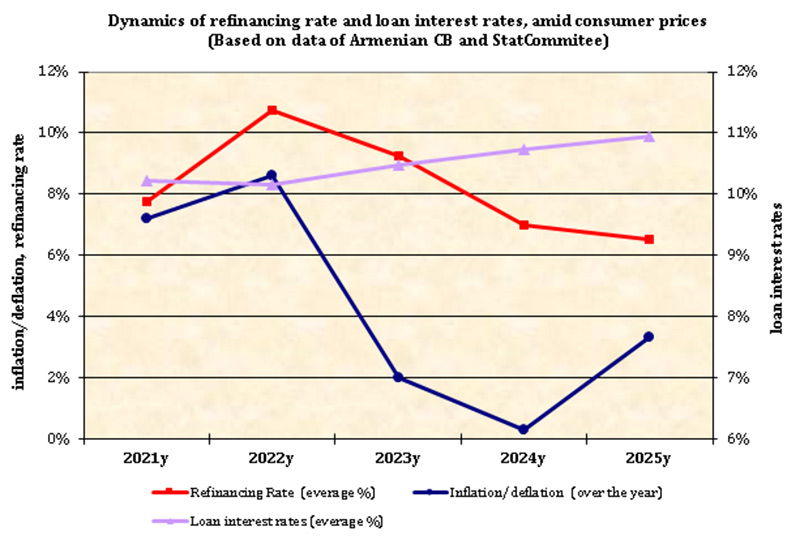
According to the IMF's recommendation, Amid rising inflationary pressures and elevated uncertainty related to the inflation outlook, the CBA should continue to monitor closely economic developments and inflation expectations and stand ready to raise policy rates as needed to bring inflation back to target Mr. Timan emphasized that The flexible exchange rate remains a key shock absorber, and CBA's international reserve buffers provide resilience against external shocks. The CBA continues to vigilantly monitor risks in the financial sector and improve its supervisory tools and capabilities. " Structural reform efforts should continue to strengthen economic resilience and foster inclusive growth. The authorities' plans to encourage diversification in the country's export basket and markets, improve business environment and corporate transparency, and enhance access to finance are welcome. Achieving these objectives requires timely and effective implementation of the employment and export strategies, and upgrading the insolvency framework to support quality investments," Mr. Timan stated.
Recall, in early December 2025, the Executive Board of the International Monetary Fund (IMF) approved a new three-year Stand-By Arrangement (SBA) with Armenia for a total of SDR 128.8 million, or approximately $175 million (100% of Armenia's IMF quota). Simultaneously, the IMF completed the previous, sixth review under the SBA, which was set to expire on December 11, 2025. Following the IMF Board's approval of the new SBA, an amount equivalent to SDR 18.4 million will become immediately available to Armenia. The remaining amount will be disbursed in equal tranches, subject to six semi-annual reviews.