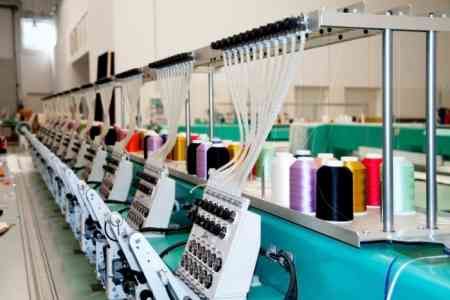



ArmInfo. Starting from 2021, the EU's Generalised scheme of preferences (GSP+) for duty-free delivery of more than 6 thousand commodity items will be terminated for Armenian exporters, since Armenia is now in a group of middle-income countries. In this connection, the Deputy Minister of Economy of the Republic of Armenia Avag Avanesyan, on April 10 during the meeting of the RA NA Standing Committee on Regional and Eurasian Integration, noted that the termination of the regime will primarily affect the textile industry of the Republic of Armenia.
According to the minister, the government intends to continue negotiations after the pandemic downturn to maintain the regime of trade preferences with the EU. "It is difficult to make any forecasts on this subject now, since we don't know whether Europe needs it, and in view of the uncertainty that today has a place to be," Avanesyan said.
At the same time, he emphasized that out of 6,400 trade items permitted under GSP +, Armenia exports a little more than 100 product groups according to 2019 data, in particular textiles, canned goods, alcohol, jewelry, honey, mineral and still water, dried fruits and others. <According to the results of 2020, the situation may improve, since another 135 companies have received permission for duty-free export to the EU, of which 100 business entities have already started supplying, "the deputy head of the economic department said.
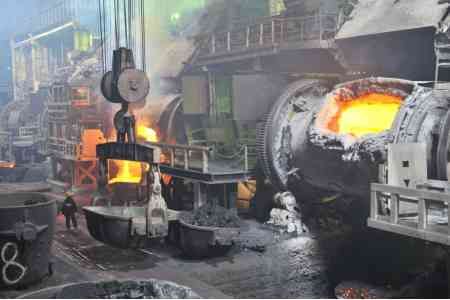
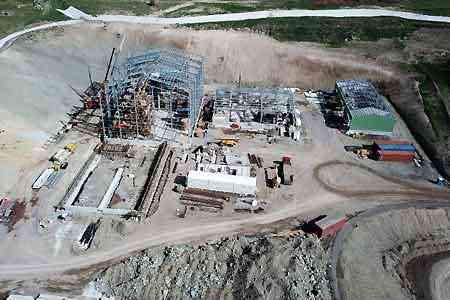
Avanesyan emphasized that Armenia mainly exports resource goods to the EU. In order for this trend to change, according to the deputy minister, it is necessary to increase the level of productivity of the manufacturing industry, for which Armenia needs technological modernization. <When we do this, then we can be competitive in the EU market. But today, the performance situation needs to be better>, he concluded.
It should be noted that, according to the Statistical Committee of the Republic of Armenia, the foreign trade of the Republic of Armenia with the EU in 2019 decreased by 5.7%, amounting to $ 1.7 billion. At the same time, exports showed a decline of 14.7% to $ 583.2 million, with a decline in imports of 0.4% to $ 1.2 billion.