


ArmInfo. Connecting Armenia’s energy system to Azerbaijan’s carries the risk of a gradual loss of the Armenian energy system’s ability to operate independently. Political analyst Vahe Davtyan expressed this opinion.
The expert believes that amid the ongoing discussions on connecting the energy systems of Armenia and Azerbaijan, it is first necessary to clarify whether the issue concerns the creation of interstate power grid interconnections or the organization of synchronous operation of the energy systems.
"If we are talking about synchronization (and the official discourse is built around this), its main risk lies in the gradual loss of the Armenian energy system’s ability to operate independently. This concerns the possible emergence of a situation in which the normal operation of the country’s energy system will depend on the operating mode of Azerbaijan’s energy system and the decisions made there. The question arises: why does Armenia need this synchronization at all?" he asked.
According to him, synchronization of the systems is not at all necessary for electricity trading. Davtyan noted that interstate power transmission lines with direct-current substations could be built while preserving the independence of national energy systems.
"This is precisely the model envisaged by the project to connect the energy systems of Armenia and Georgia. Meanwhile, synchronization implies coordinated frequency regulation and coordination of the work of control services. The risks of systemic failures spreading also increase," the expert continued.
He warned that there is also an economic aspect to the problem. Davtyan pointed out that Azerbaijan produces almost three times more electricity than Armenia, while having its own natural gas reserves.
"Long-term imports of relatively cheap Azerbaijani electricity could lead to a decline in the competitiveness of Armenian thermal power plants, a reduction in domestic generating capacity, and a revision of the design parameters for the construction of a new nuclear power plant. What will happen if, years from now, amid a reduction in domestic generating capacity, Azerbaijan halts electricity supplies as a result of a political or military crisis? Will Armenia have sufficient generating and reserve capacity to operate its energy system independently and meet domestic demand? This issue is becoming even more relevant in the context of the development of artificial intelligence infrastructure in Armenia," Davtyan believes.
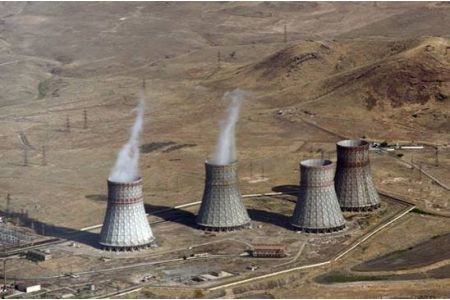
In this regard, he noted that the annual consumption of a data center with a constant load of 100 MW amounts to approximately 9% of the electricity currently generated in Armenia. And if the capacity of the "Hrazdan" NPP is increased to 300 MW, this figure will be about 26% if the load remains constant.
"If this demand is met with electricity imported from Azerbaijan, energy dependence will also extend to Armenia’s digital infrastructure," the political analyst added.
Another issue, the expert continued, is the technological compatibility of the region’s energy systems.
"Azerbaijan has historically been part of a synchronous zone connected to Russia, while Turkey is synchronized with the European energy system. How is the parallel operation of the energy systems of all the countries in the region to be organized? And what place is assigned to Iran in this system? Expanding the geography of interstate power grid interconnections is certainly justified. However, when assessing any such project, ensuring the viability of its own energy system in the event of disruptions in external supplies and interstate power grid interconnections must be the key factor for Armenia," he concluded.
Earlier, the Prime Minister of Armenia stated his intention to connect the country’s energy system with those of Azerbaijan and Turkey.