


ArmInfo. In January-July 2026, economic activity in Armenia remained high. However, in recent months, a gradual slowdown and a deepening imbalance in the growth structure have been observed. This is stated in an analytical report on the socio-economic development of the Armenian economy for January-July 2026, prepared by the LUYS Foundation.
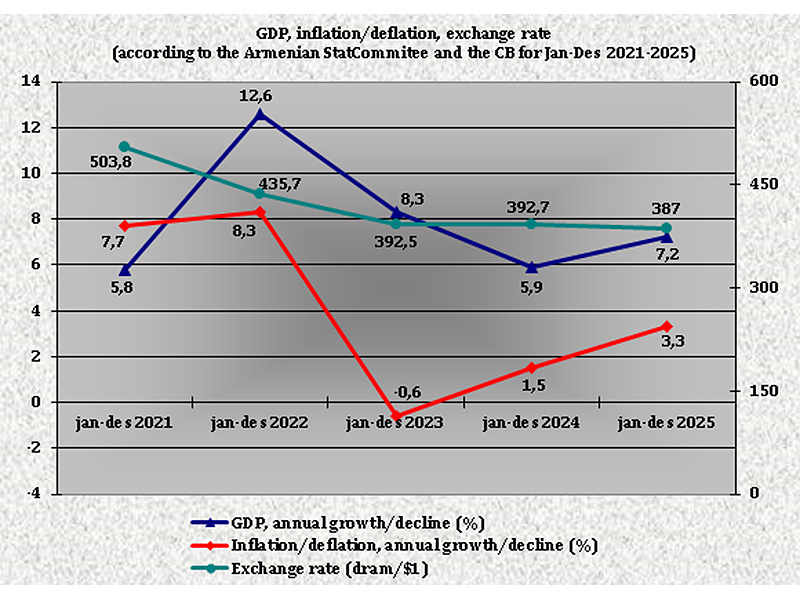
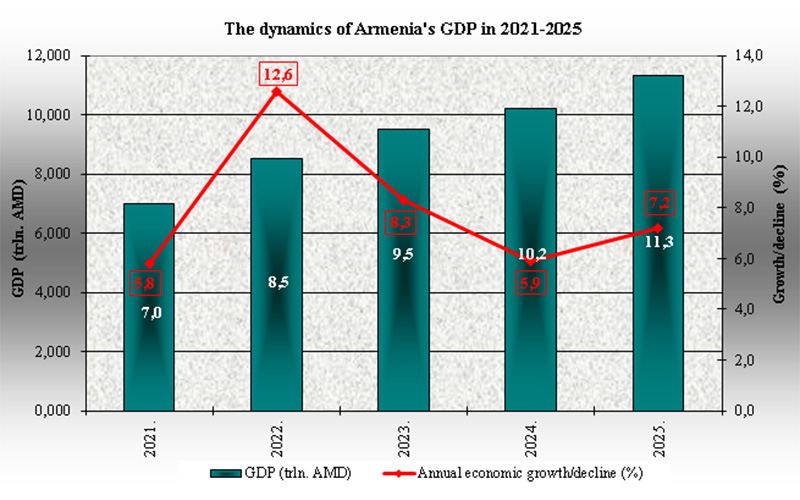
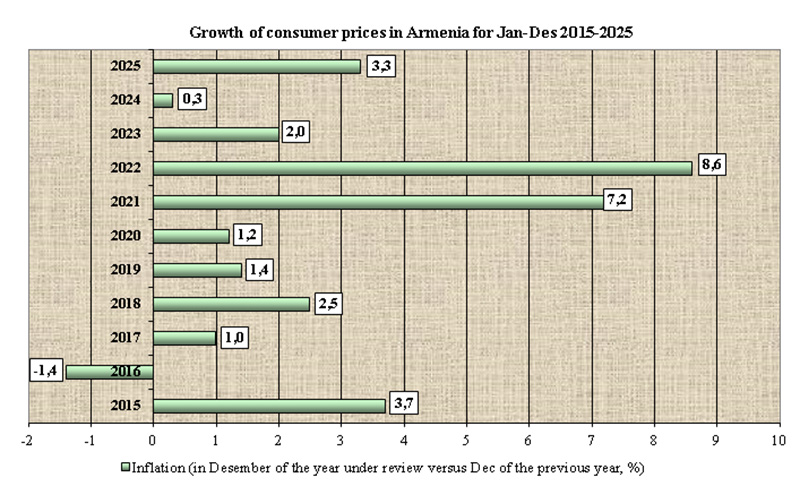
According to the Foundation's analysts, cumulative growth for January-July amounted to 7.7%, driven primarily by the services, industry, and construction sectors. At the same time, amid high growth rates in services and construction, industrial growth slowed, and trade growth remained virtually flat. The decline in exports, the acceleration of imports, the reduction in capital expenditures, and inflation above the target range also indicate that the current high growth has not yet fully transformed into balanced and long-term sustainable growth.
Therefore, according to the Fund's experts, it is important not only to maintain growth rates but also to improve its structure and quality—particularly by increasing the role of the productive, investment, and export-oriented sectors.
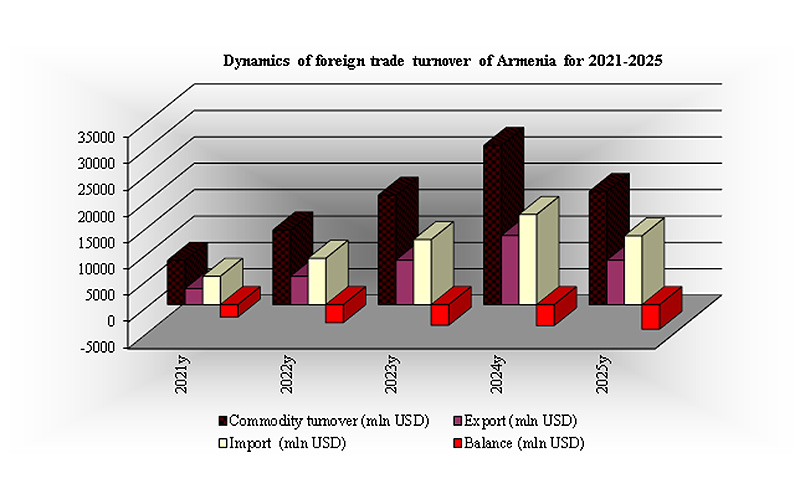
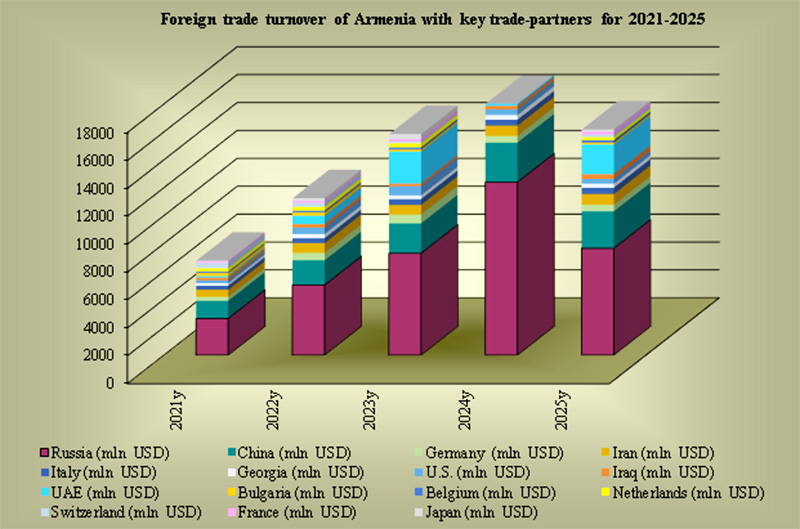
It is noted that in the country's foreign trade, export and import dynamics continue to move in opposite directions. In July, the annual decline in exports moderated somewhat, reaching 15.7%, but the cumulative decline for January-July deepened to 7.9%. At the same time, import growth accelerated in July to 21.5%, and cumulative growth to 7.7%. This discrepancy is increasing pressure for a deterioration in the foreign trade balance. The recorded 25.7% decline in plant-based exports is noteworthy, as it may reflect the initial impact of the restrictions imposed by Russia since June. However, the extent of their individual impact cannot yet be clearly assessed based on available data, as the available detailed commodity data only cover the initial period of restrictions.
In the fiscal sector, revenue growth remains strong, but the expenditure structure remains a concern. From January to July 2026, current expenditure increased by 17.2%, while capital expenditure decreased by 26.6%. The decline in capital expenditures continues to be driven by the problem of underfulfillment, which is having a negative impact on the development of economic potential.
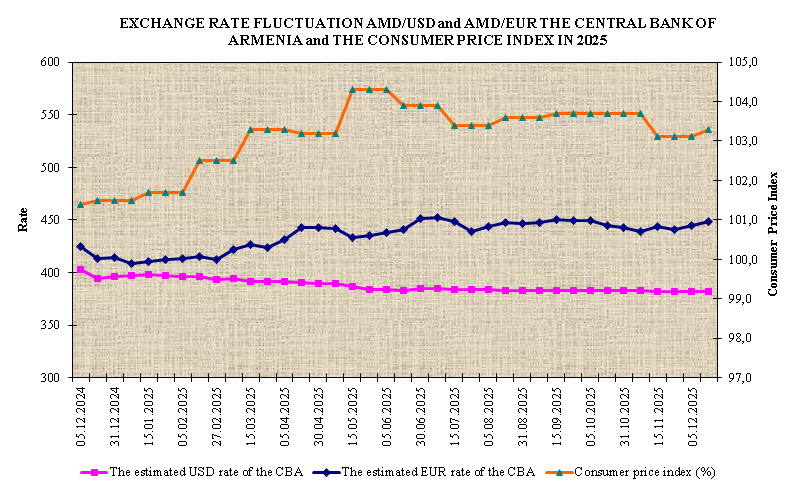
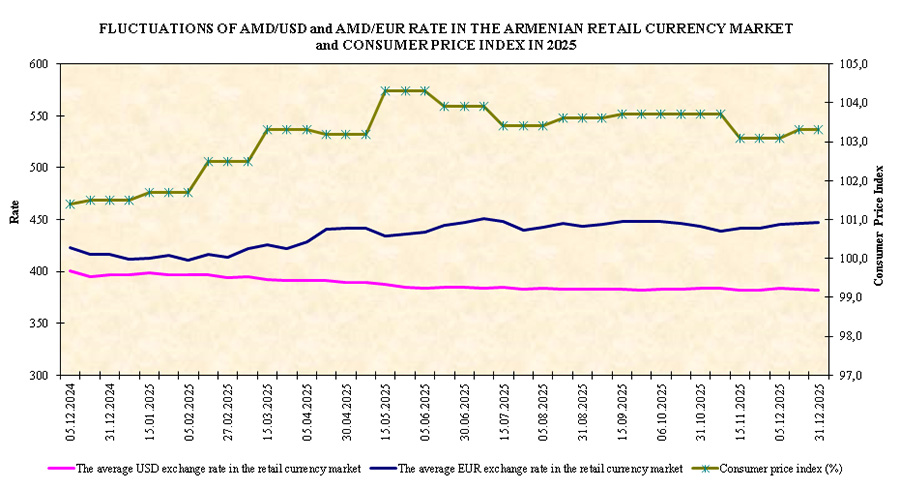
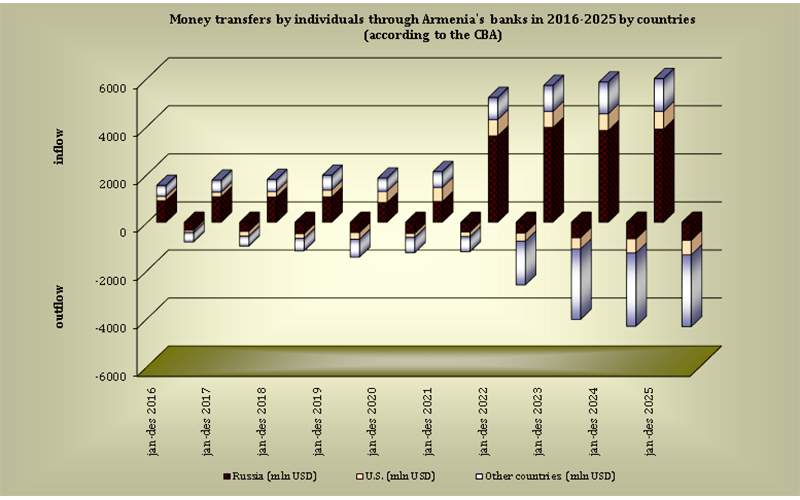
Meanwhile, the net inflow of remittances from abroad has become an additional factor supporting domestic demand and the foreign exchange market. In January-June 2026, the net inflow of remittances from individuals through Armenian banks amounted to approximately $1.38 billion, compared to $587.6 million in the same period last year, an increase of 2.34 times, or 134.4%. This significant net inflow is coupled with the ongoing strengthening (revaluation) of the Armenian dram against the US dollar. Thus, amid growing remittance inflows, the Armenian dram has continued to appreciate, which could negatively impact export competitiveness, according to experts at the Luys Foundation.