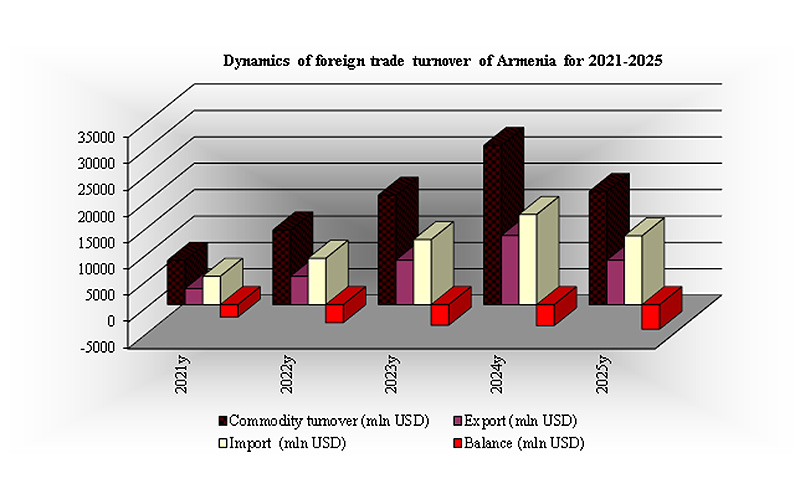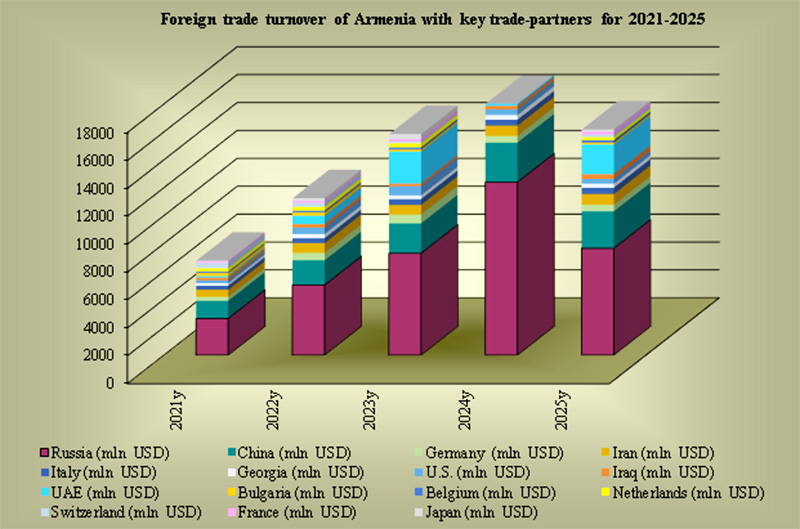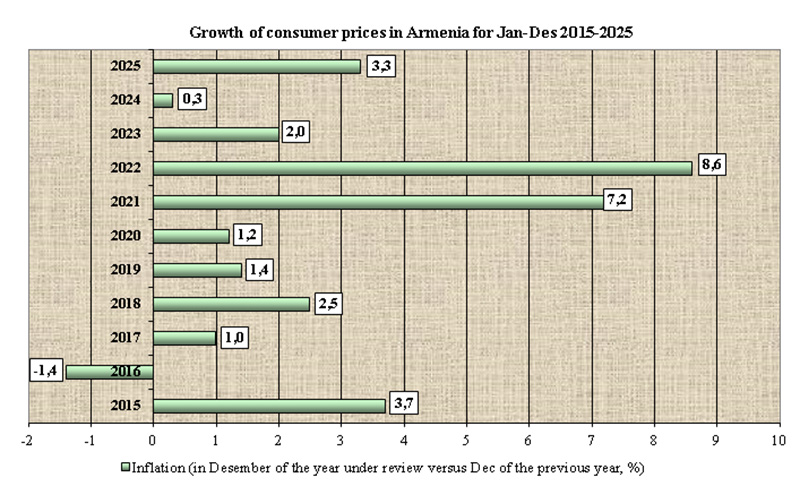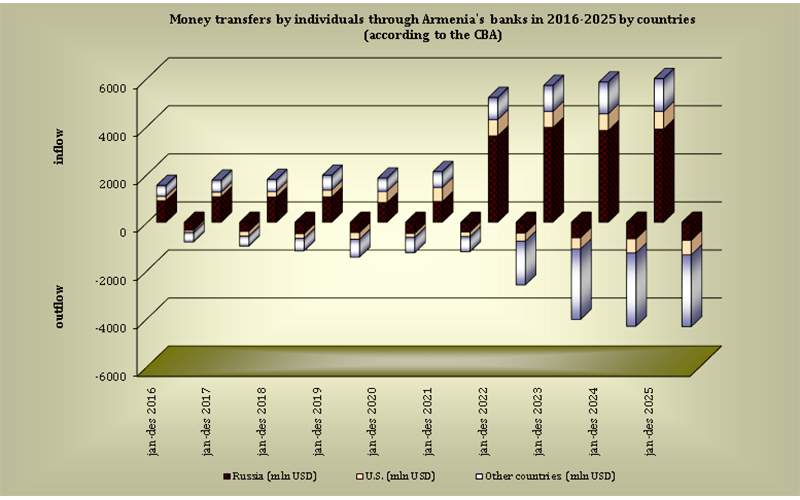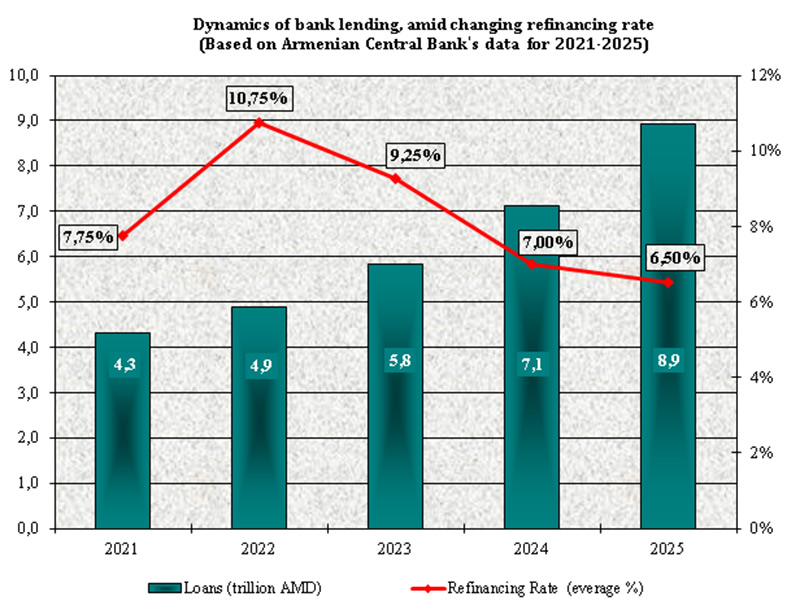



ArmInfo.Armenia's foreign trade dynamics continue to remain unstable. This is according to research conducted by the Luys Foundation, which analyzed the country's socioeconomic development in January-May 2026.
According to the research, economic activity growth in Armenia accelerated significantly in May 2026, reaching 11.7%, bringing the cumulative growth for January-May to 8.0%. However, the growth structure still contains stability risks. The main sources of growth were industry, services, and construction. The contribution of industry was largely determined by mining and subsectors containing elements of re-export, whose future growth prospects are uncertain.
High growth in the construction sector not only continued but even accelerated slightly in May. In January- May, construction volumes increased by 24.1%, despite the previous year's high base and expectations associated with the gradual completion of the mortgage repayment program in Yerevan. The high rate of construction growth, coupled with the continued expansion of lending, supports domestic demand, but at the same time requires constant monitoring of the future development of the real estate market and potential risks.
Foreign trade dynamics remain volatile. In May, exports fell by 11.5%, with the cumulative decline for January-May amounting to 3.7%. The decline in exports was primarily due to a decline in the precious stones and metals commodity group, while strong growth in mining exports significantly mitigated the decline. Total import growth slowed to 2.2%. These developments indicate that foreign trade indicators remain largely dependent on individual commodity groups and factors related to re-exports.
Tax revenue growth accelerated, while expenditure growth slowed significantly. From January to May, state budget revenues grew by 14.7%, while expenditures grew by 4.5%, resulting in a surplus of 95.8 billion drams.
However, the expenditure structure remains alarming. Current expenditures increased by 15.2%, while capital expenditures decreased by 46.8%. Consequently, the budget surplus is largely due to the inefficiency of capital expenditures and does not in itself indicate an improvement in the effectiveness of budget policy. Moreover, the ability to implement capital expenditures, a key factor in economic development, remains unresolved.