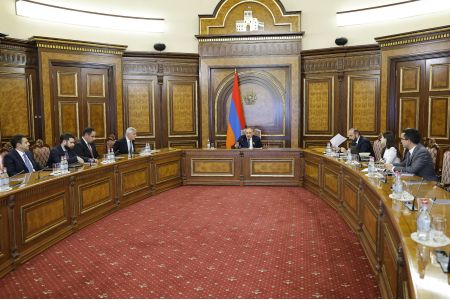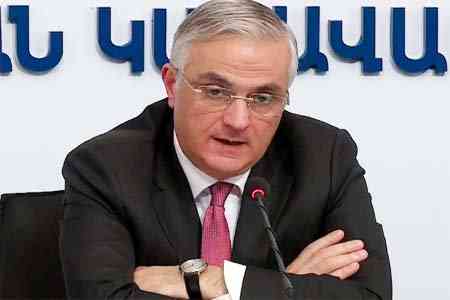



ArmInfo. Maintaining public debt at 50% or less will be one of the government's main goals in the coming years. This was stated by RA Minister of Finance Vahe Hovhannisyan on June 16, while presenting the country's 2025 state budget.
Furthermore, according to the minister, public debt is expected to be reduced to less than 45% of GDP in the near future-from 11.2% to 10%. This, Hovhannisyan noted, will allow for savings in budget funds allocated for debt servicing, which will be used to implement social programs and develop human capital.
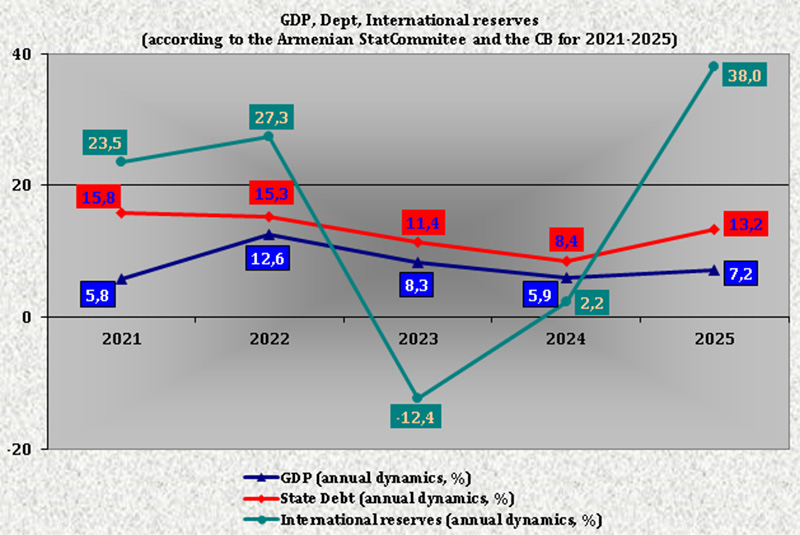
The Minister of Finance noted that in 2025, the public debt to GDP ratio was 47.2%, a 0.5 percentage point decrease compared to the previous year. The state budget deficit was 3.7% instead of the planned 5.5%. The public debt structure also improved, allowing domestic debt to increase to 53% by the end of 2025, bringing the country closer to an acceptable level of national resilience. The cost of debt also decreased. Specifically, the yield on government bonds was 9.2%, or 0.6% lower than in 2024.
It should be noted that by the end of 2025, Armenia's total public debt was approximately $14.5 billion. The government debt to GDP ratio was 49.5%, which is considered a safe and manageable macroeconomic threshold. As a reminder, the 2025 state budget of Armenia was executed with revenues of 2 trillion 886.5 billion drams (an execution rate of 101.3%) and expenditures of approximately 3.3 trillion drams. The budget deficit was recorded at 3.7% of GDP.
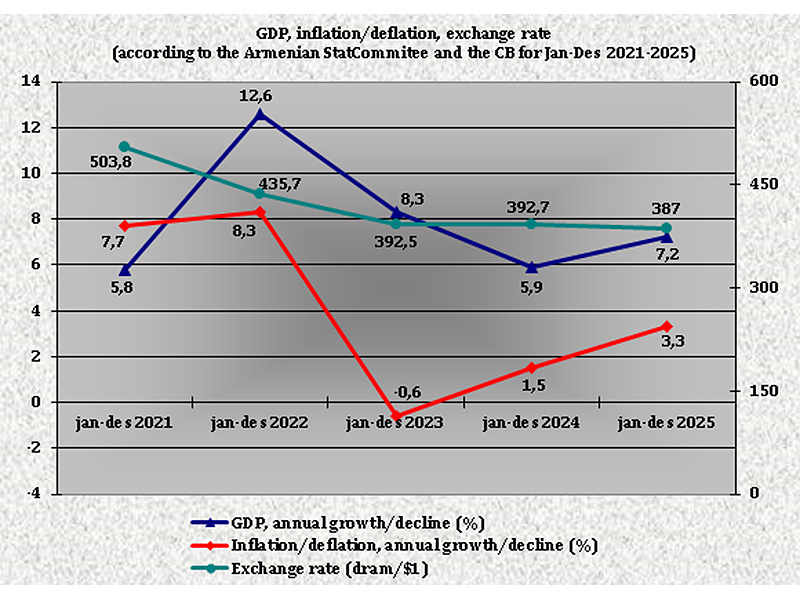
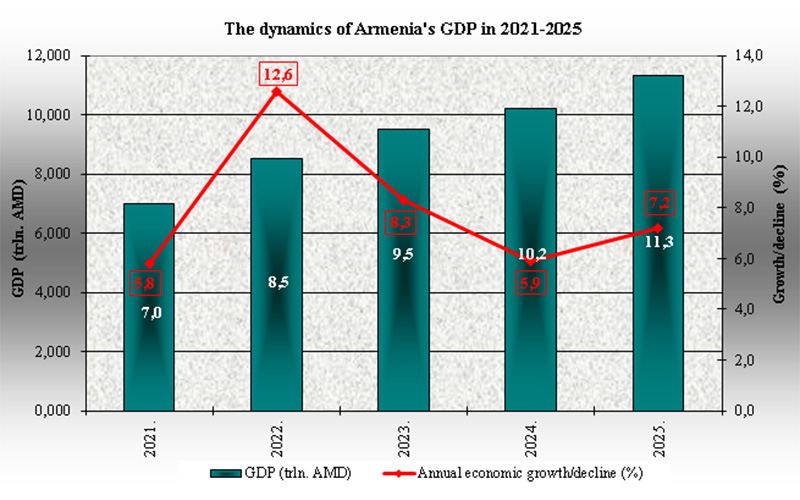
Economic growth was 7.2%, and tax revenues exceeded 2.7 trillion drams. Revenues totaled 2 trillion 886.5 billion drams (an increase of approximately 12% compared to 2024), while tax revenues and state duties totaled 2 trillion 725 billion drams. Expenditures under the main economic law amounted to 3.3 trillion drams. Significant funds were allocated to infrastructure development and the social sphere. For example, the actual expenditures of the Ministry of Labor and Social Affairs amounted to 874.1 billion drams. Capital expenditures reached 6.2% of GDP, exceeding the budget deficit (by 283.8 billion drams).