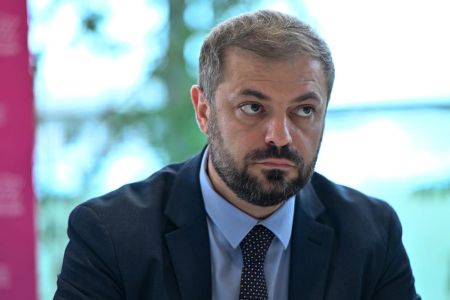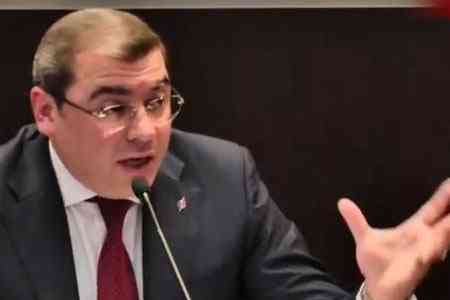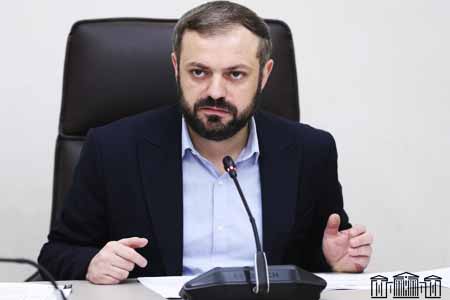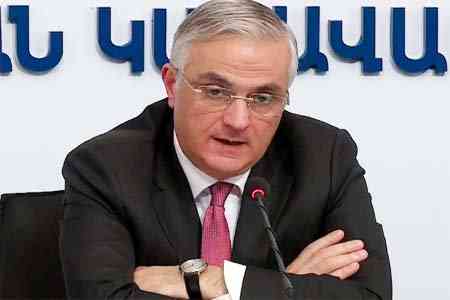


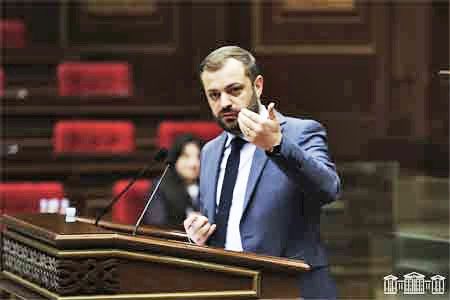
ArmInfo. The times when Armenian products were considered uncompetitive in quality compared to European ones are in the past, as stated by Economy Minister Gevorg Papoyan in Parliament.
According to him, the problem doesn't lie in standards or product certification, given that some Armenian producers have G.A.P. certificates, which are the same as those held by European farmers.
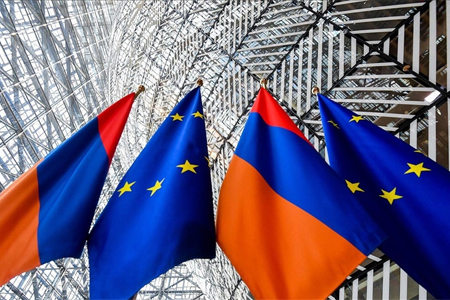
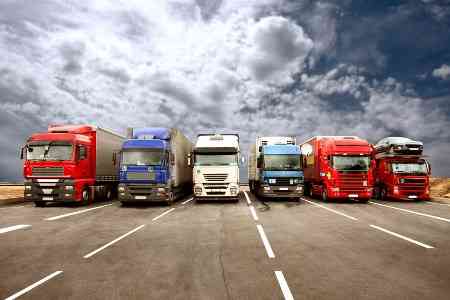
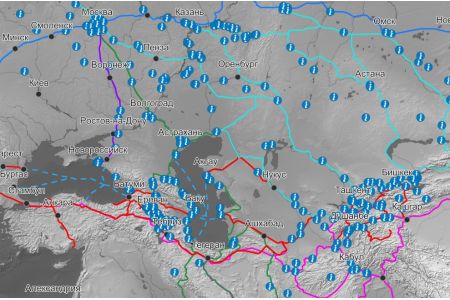
"The problem is related to the customs border. Crossing the border means additional costs in the form of custom duties amounting to 14.4% or 8.8%, which automatically reduces the competitiveness of Armenian products. This is precisely why the government has decided to subsidize these costs at this stage," the minister noted. Papoyan also pointed out the existence of geographical restrictions for Armenian products to enter the European market. "Armenia does not yet have a common border with the European Union. I say 'yet' because Armenia has two neighbors who are candidates for EU membership. The lack of a direct connection to the European market and the significant distance between our markets lead to additional transportation costs, which also negatively impacts product competitiveness," he said. In this regard, the minister announced the government's intention to implement a program to partially subsidize transportation costs, including support from European partners. According to him, this measure will not only facilitate the entry of Armenian products into foreign markets but will also contribute to increasing production volumes.
Papoyan noted that in recent years, the Armenian economy has undergone significant qualitative changes, which already allow for the export of competitive products to various foreign markets.
At the same time, the minister emphasized that the standards of the Eurasian Economic Union (EAEU) are quite comparable to those of the European Union, and in certain parameters, they even exceed them. However, he acknowledged that there are producers in Armenia who continue to use traditional production methods, which may create difficulties for them in both the markets. Both the EAEU and the EU. "Our task is to support these producers through financial assistance mechanisms, help them modernize, develop, and ensure the necessary level of competitiveness," the minister concluded.