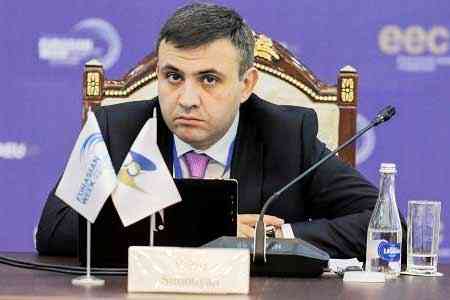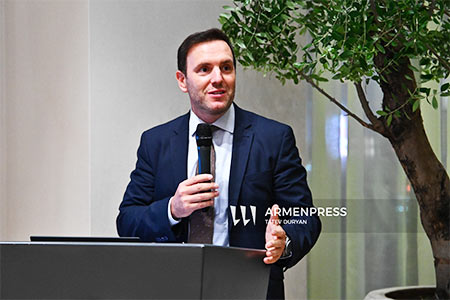


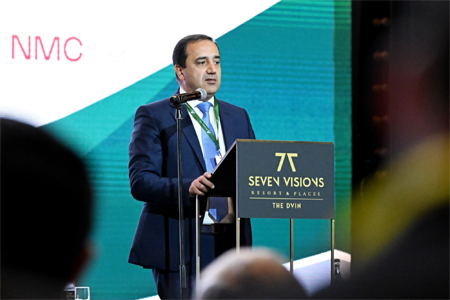
ArmInfo.Small and medium businesses in Armenia still face financing challenges related to administrative difficulties, frequently changing requirements, and lack of awareness of lending programs, as stated by Daniel Azatyan, Chairman of the Union of Banks of Armenia (UBA), while addressing the forum "SME Sector: Impact and Development Challenges" on May 12.
"One of our most important goals is to create conditions in which the SME sector will focus on development and increasing competitiveness, rather than on overcoming administrative barriers and searching for information about lending programs," he noted.
At the same time, Azatyan emphasized that in recent years, the banking system, the government, and international partners have consistently expanded their support tools for SMEs. As a result of this cooperation, according to the head of the SBA, many companies have been able to expand their operations, invest, create new jobs, and enter new markets. "However, significant untapped potential remains in the sector, particularly in terms of increasing productivity, exports, and competitiveness," he said.
In this regard, he noted that there are approximately 115,000 micro, small, and medium enterprises operating in Armenia, which account for slightly more than a third of the country’s tax revenues. At the same time, only approximately 16,000 enterprises have loans, with a total of approximately 56,000 loans. The total volume of loans provided to SMEs is approximately 2 trillion drams, equivalent to approximately 60% of all loans issued to businesses, Moreover, the SME sector accounts for approximately 35% of Armenia's GDP, compared to 50-60% in EU countries and 45-50% in neighboring Georgia.
"It's clear that some SMEs may not need to borrow funds; however, a more detailed analysis reveals that the banking system has significant potential for business lending, and credit availability for creditworthy enterprises remains high," Azatyan said.
Azatyan recalled that a new regulation of the Central Bank of Armenia, aimed at reducing credit risks for reliable borrowers, came into effect in April. According to him, this has allowed commercial banks to reduce interest rates on dram-denominated loans for small and medium-sized businesses by 1-1.5 percentage points since May. “According to our data, this decision affected approximately 20,000 loans with a total loan balance of approximately 200 billion drams. Thanks to these changes, banks are now able to allocate more resources to SME lending and retain a smaller amount of capital," the head of the UBA noted. It should be noted that this forum was organized by the Union of Banks of Armenia in partnership with the Central Bank and the German-Armenian Foundation.
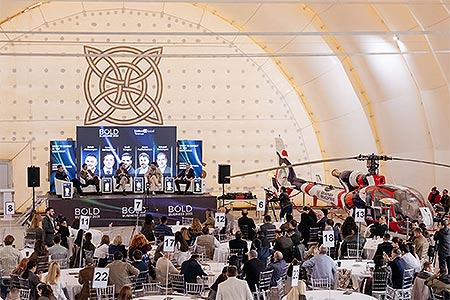
Recall, the forum "SME Sector: Impact and Development Challenges" serves as an important platform for constructive dialogue and cooperation among businesses, the government, international partners, the banking system, and now credit institutions, to form new partnerships, discuss development prospects and existing challenges, and develop practical solutions. The Union of Banks of Armenia initiated forums dedicated to the SME sector last year in the Aragatsotn region, and subsequently held them in Syunik and Lori.