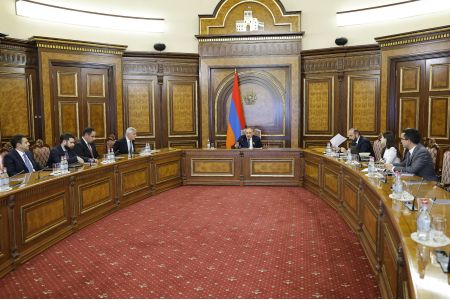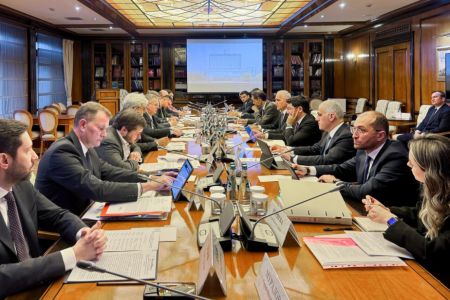


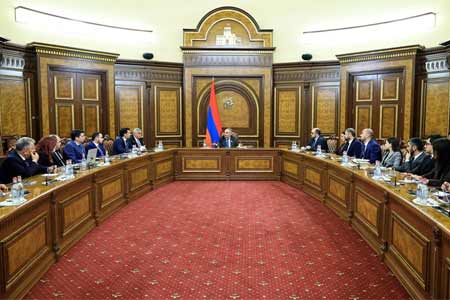
ArmInfo. On April 10, the fifth meeting of the Council for the Development of Science and Technology was held under the chairmanship of RA Prime Minister Nikol Pashinyan.
According to the government press service, the agenda included draft state programs for the development of the semiconductor industry, robotics, and artificial intelligence, a draft strategic program for the development of the high-tech sector, and a draft plan for the future activities of the Council for the Development of Science and Technology under the Prime Minister of Armenia.
Before introducing the agenda items, Deputy Speaker of the National Assembly Hakob Arshakyan noted that the agreement signed between Armenia and the United States on August 8, which also includes cooperation provisions in robotics, artificial intelligence, and semiconductors, has created new opportunities for the development of these fields in Armenia. Two of the projects presented specifically focus on semiconductors, artificial intelligence, and robotics. He stated that these projects are the result of extensive collaboration with working groups, private partners, and the Armenian Innovation Fund.
Anahit Sargsyan, Director of the Armenian Innovation Fund, presented details of the draft State Program for the Development of the Semiconductor Industry. She provided a global picture of the semiconductor industry, emphasizing that artificial intelligence is expanding its economic influence at an unprecedented rate. The meeting also presented details on the semiconductor research centers in Armenia, Armenia's position in this industry, education, and infrastructure development. Anahit Sargsyan also discussed the vision for the development of the semiconductor engineering ecosystem in Armenia by 2032 and, in this context, outlined prospects for human capital development and economic impact.
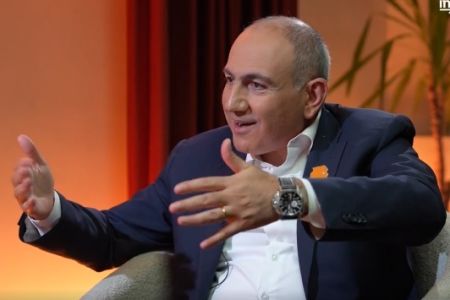
Karen Yeghiazaryan, Vice President of the ARCS.ai Board,presented details of the draft State Program for the Development of Robotics and Artificial Intelligence. He touched on the crucial role of robotics and artificial intelligence in the current technological race and the opportunities for developing Armenia's existing infrastructure. The speaker presented priorities for attracting talent to education and research, as well as prospects for ecosystem development and economic impact.
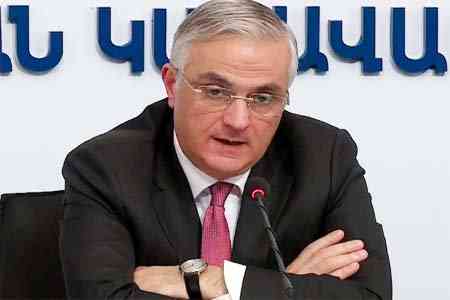
In turn, Deputy Minister of High-Tech Industry Ruben Simonyan, noted that work on the draft strategic program for the development of the high-tech sector is ongoing, and that an action plan has been developed during this period. Accordingly, work is underway to finalize strategic goals with the government and stakeholders, approve measures at the level of individual areas, and conduct consultations with the technology and academic communities on feasibility and alignment with Armenia's strategic directions. It was emphasized that the strategic program focuses on two areas: AI engineering and intelligent digital systems, as well as deep technological engineering, prototyping, and embedded systems, as the main pillars of the development of the high-tech ecosystem and the basis for coordinated growth in priority areas.
Deputy Speaker of the National Assembly Hakob Arshakyan presented the draft plan for the future activities of the Science and Technology Development Council of Armenia under the Prime Minister and addressed the issue of replenishing the council's membership. The council members provided their comments and suggestions on the submitted projects. The importance of aligning the projects with existing and planned government programs for the most effective implementation was emphasized
Summarizing the discussions and emphasizing the importance of economic transformation through high technology, the Prime Minister instructed the responsible officials to organize working discussions on the presented projects and present institutional mechanisms for their implementation.