

ArmInfo.Strong economic growth in most EDB member countries over the past three years was driven by high investment activity, as investments in fixed capital have been steadily growning at double-digit rates since 2023, as stated in the March Macroeconomic Review prepared by experts from the Eurasian Development Bank.
It is noted that the average annual growth in capital investment in 2023-2025 amounted to 18% in Armenia, 13.2% in Belarus, 10.7% in Kazakhstan, 18% in Tajikistan, and 21.7% in Uzbekistan. Investment dynamics remained positive in Russia as well, averaging 6.2% over the three years. This helped mitigate the impact of slowing demand from key trading partners.
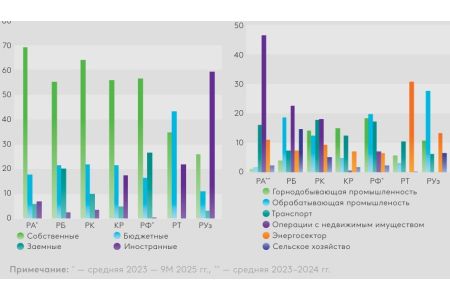
Relying on domestic investment resources has become a winning strategy for the region in the midst of a fragmented global economy and a decrease in global foreign direct investment, which has been noted for the second consecutive year. The majority of capital investment in the region comes from businesses and households (over 55% of the total). The second most important source is public finance, making up slight less than 20%. This structure help to lower the risk of excessive debt and bankruptcy, but it may also restrict the realization of investment potential.
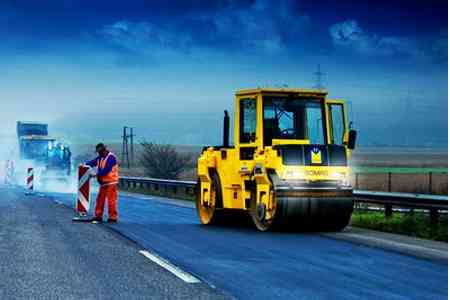
Debt financing is currently limited in EDB countries: with the share of debt ranging from 0% to 10% in five of the seven member countries. In Uzbekistan, Tajikistan, and the Kyrgyz Republic, concessional financing from international development institutions provides an alternative to market-based borrowing, allowing for the implementation of large infrastructure projects, primarily in transport and energy. Agriculture also holds significant investment potential. In six out of the region's seven countries, the share of investment in the agricultural sector ranges from 0% to 7% of total capital investment, with Belarus being the exception at 15%. With global food security deteriorating, the development of the agro-industrial complex is becoming a key area of long-term specialization for the Eurasian region.
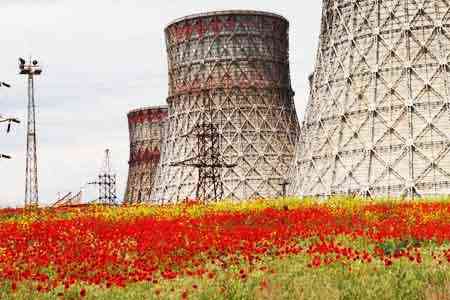
Investments in manufacturing can accelerate economic diversification. Over the past three years, capital investment in manufacturing industries has averaged to 1.1% in Armenia, 3% in Tajikistan, and 5% in the Kyrgyz Republic. By comparison, in other countries in the region, this figure ranged from 12% in Kazakhstan to 28% in Uzbekistan. This demonstrates that the potential for industrial growth in some countries has not yet been fully realized. Transport and energy are still considered strategic investment areas. In the EDB's region of operations, transport stands out as one of the top three investment sectors, accounting for approximately 16% of total investment. At the same time, the development of the Eurasian transport framework remains the only alternative given the region's remoteness from major global trade routes. The share of investment in the energy sector has averaged approximately 7% over the past three years. Meanwhile, the increasing demand for energy resources, the need to strengthen the sector's reliability, and the shift towards more sustainable sources of generation are now key priorities on the government agendas of all countries in the region.
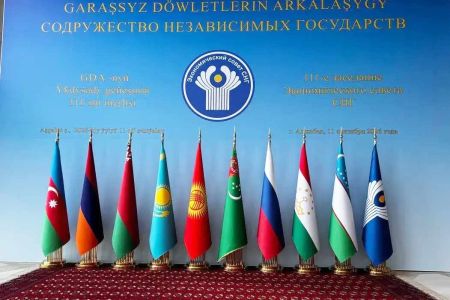
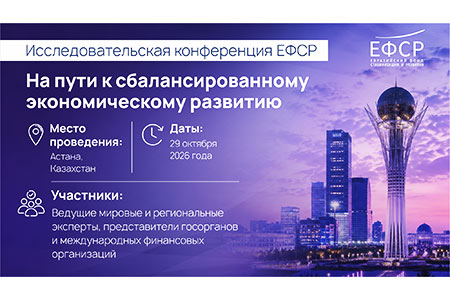
Recall, the Eurasian Development Bank (EDB) comprises seven countries: Russia and Kazakhstan (the founding members), along with Armenia, Belarus, Kyrgyzstan, Tajikistan, and Uzbekistan, which joined in 2020. The Bank promotes the integration and economic development of its member countries by financing projects in infrastructure, energy, and industry.