

ArmInfo. In Armenia's banking sector, adequate capital buffers and stable profitability will support significant lending growth in 2026-2027, according to the S&P Global Ratings report "Banking Sector Outlook 2026: Central Asia and the Caucasus. Resilience Amid Heightened Geopolitical Risks."
Banking sector profitability will continue to normalize, driven by a stronger base effect, lower foreign exchange revenues, and lower global interest rates. S&P Global Ratings expects asset returns to decline to approximately 3.5% on average. However, the continued rapid accumulation of household debt and low savings rates point to a long-term structural financing gap. Demand for real estate near Yerevan will remain extremely high in 2026 due to the further reduction of mortgage tax benefits from 2027. Real estate prices in Yerevan are likely to remain flat after declining in 2025.
The S&P Global Ratings report cites its Banking Industry and Country Risk Assessments (BICRA), which indicate that the overall risk level for banks operating in the region remains high: "Stable economic and industry risk trends in the region are reflected in our expectations for a favorable macroeconomic environment and resilient banking sector performance." S&P Global Ratings maintained a stable trend in economic and sector risks for Armenia in its BICRA assessment, viewing the country's implied baseline rating at BB-. Among Armenian banks, S&P assigns a country-level rating with a stable outlook to Ameriabank, Ardshinbank, and IDBank.
According to S&P Global Ratings, a high risk level is seen in economic resilience, economic imbalances, and competitive dynamics, while a very high risk level is seen in credit risk in the economy, institutional framework, and banking system funding.For Central Asia and the Caucasus, S&P Global Ratings notes that strengthening banking regulation and supervision still lags behind best practices. Specifically for Armenia, S&P Global expects a new draft resolution to be submitted to parliament and operational provisions to be gradually implemented in 2026. Discussions are currently underway on draft legislation regarding Pillar 2 capital buffers and early intervention powers. Authorities also plan to introduce a new law on payment systems. Going forward, greater attention will be paid to anti-money laundering and know-your-customer compliance, including additional regulation of cryptoassets and stablecoins, the report notes.
S&P Global Ratings expects banks in the Central Asia and Caucasus region to maintain robust performance in 2026, at the level of the previous two years, with profitability and capital levels supported by declining but still strong loan growth averaging 15-20% and stable asset quality. Favorable economic growth prospects in the region, strong demand for lending (especially in the retail segment), strong funding and liquidity metrics, and stable bank capital buffers supported by high profitability could lead to positive rating actions in 2026. Currently, 19% of financial institution ratings in the region have a Positive Outlook and 81% have a Stable Outlook. The main risks facing financial institutions in the region include heightened geopolitical tensions, aggressive growth in retail lending, which could lead to increased imbalances, and risks associated with digitalization, artificial intelligence, climate change, and cyber threats. Regulation, supervision, and corporate governance in the region's banking sectors continue to evolve, but remain less transparent and predictable than in developed markets.
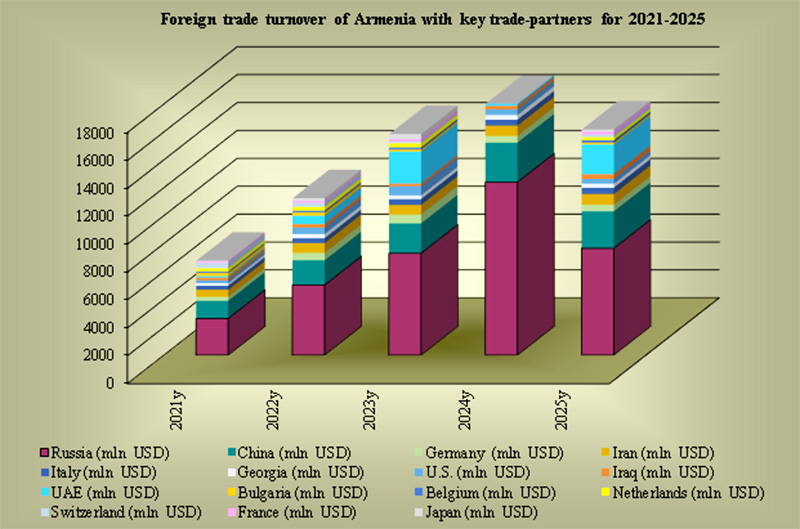
Key Risks for the Central Asia and Caucasus Region Geopolitical risks remain among the most significant for the region. The end of the Russia-Ukraine conflict, the outcome of which is still unclear, will impact the economies of the region. Most countries continue to benefit from increased trade, capital, and immigration flows, as they have over the past three years. Balancing political relations with the West and Russia will remain a challenge, given economic uncertainty in Russia, which remains the region's main trading partner. For Armenia, uncertainty remains regarding the conclusion and implementation of a comprehensive peace treaty with Azerbaijan. Growing Imbalances The increased maturity of loan portfolios after several years of rapid lending growth could lead to increased credit losses, particularly in the unsecured consumer lending segment. House price growth in the region is slowing on average, limiting the potential impact of the residential real estate sector on economic imbalances. Digitalization, Artificial Intelligence, Climate Change, and Cyber Threats The changing nature of risk could create challenges for the business models and risk management systems of banks operating in the region, as well as opportunities for those that embrace the risks and secure advantages. Financial institutions recognize the challenges associated with digitalization and cyber risks. Technology-leading banks are actively investing in developing digital capabilities, while others are lagging behind. S&P Global Ratings expects the difference in bank creditworthiness to widen as the gap between market leaders and laggards widens. Climate change-related risks are more pronounced in countries where agribusiness accounts for a significant share of production, such as Uzbekistan. Key Developments and Trends Shaping Bank Credit Profiles in the Region S&P Global Ratings expects the regional banking sector structure to remain broadly stable in 2026, with banks operating in the market maintaining their leading positions. M&A activity is possible as strong players in the region continue to seek business expansion and geographic diversification. Banking regulation and supervision are gradually strengthening, including through the adoption of the Basel III standard. However, S&P Global Ratings continues to consider the regulatory and supervisory regime in the region to be less stringent than international standards, largely reflecting lower corporate governance and transparency. Competition has gradually intensified amid moderate lending growth. While S&P Global Ratings expects dominant banks to maintain stable positions in most countries in the region, smaller players and fintech companies are actively expanding and competing with traditional banks in segments such as payments, buy-now-pay-later (BNPL), and microcredit. apid technological advances, increased accessibility, and the expansion of mobile and internet networks in the region are driving significant growth in the digitalization of financial services. Banks continue to invest in digitalization and automation to meet growing customer demand and improve efficiency.
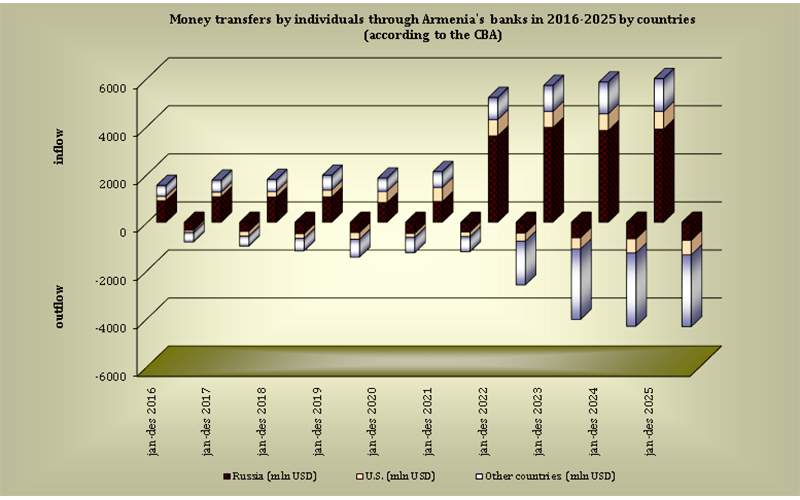
Sustained GDP growth will positively impact banks in 2026 Economic growth is supporting new business development and improving asset quality metrics in the region's banking sector. Real GDP growth is expected to slow but remain stable. S&P Global Ratings specifically for Armenia and Georgia expects growth rates in these countries to gradually normalize as the abnormal growth in trade, remittances, and capital inflows observed in 2022-2023 stabilizes. High lending rates are exacerbating potential imbalances. The agency's analysts expect a gradual slowdown in lending growth in the region, reflecting the projected decline in GDP growth and tightening regulatory measures aimed at curbing the growth of unsecured consumer lending. In 2025, inflation-adjusted real estate prices in the region increased by several percent, indicating a slowdown in growth compared to the rapid pace of growth in the previous three years. S&P Global Ratings expects this trend to continue into 2026. Mortgage lending in the region is supported by government support programs in local currency and higher standards for assessing borrowers' creditworthiness.
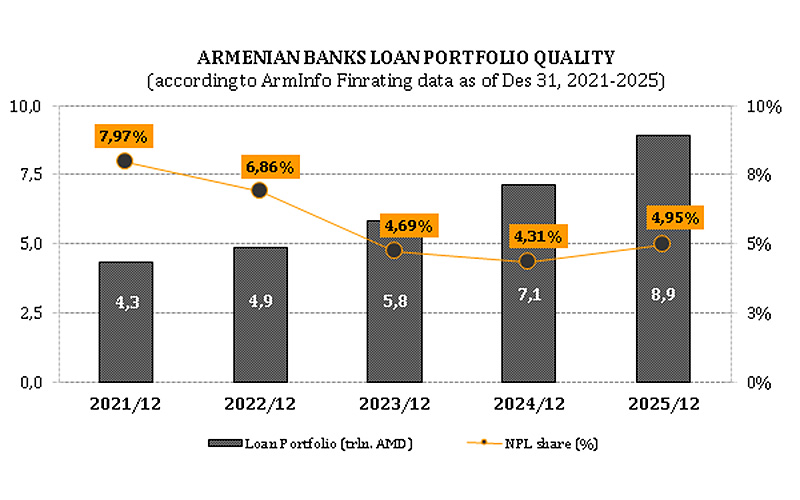
Asset quality will remain resilient The favorable macroeconomic environment and moderate lending growth should help maintain generally stable asset quality. Banks that demonstrated aggressive growth, particularly in high-risk segments such as unsecured consumer lending, state-owned banks with significant directed lending, and banks with weak underwriting and risk management systems, are likely to experience a more pronounced deterioration in asset quality than their peers. S&P Global Ratings expects banks with lower asset quality to show only limited improvement due to extended collection periods and limited write-offs. The discrepancy between problem loans reported under national standards (monthly) and those reported under International Financial Reporting Standards (IFRS) (primarily at year-end) is likely to persist in most countries in the region.
Profitability will remain stable S&P Global Ratings expects regional banks to maintain stable profitability in 2026, although below their peaks in 2022-2023. Despite declining net interest margins, profitability will be supported by a stable cost of risk. Continuous investments in digitalization, automation, and cybersecurity are crucial to ensuring banks' effective response to rapidly changing customer needs and challenging conditions, but improved cost efficiency will likely only yield results in the long term. Banks in the region are generally focused on the domestic market. The largest Georgian banks, TBC and Bank of Georgia, remain an exception. They conduct significant operations in Uzbekistan and Armenia, which helps them increase and diversify their profits. Differences in cost effectiveness will persist.
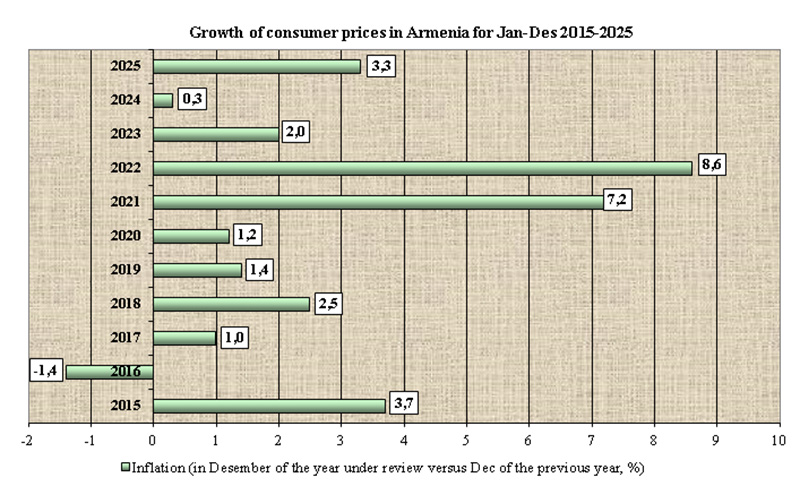
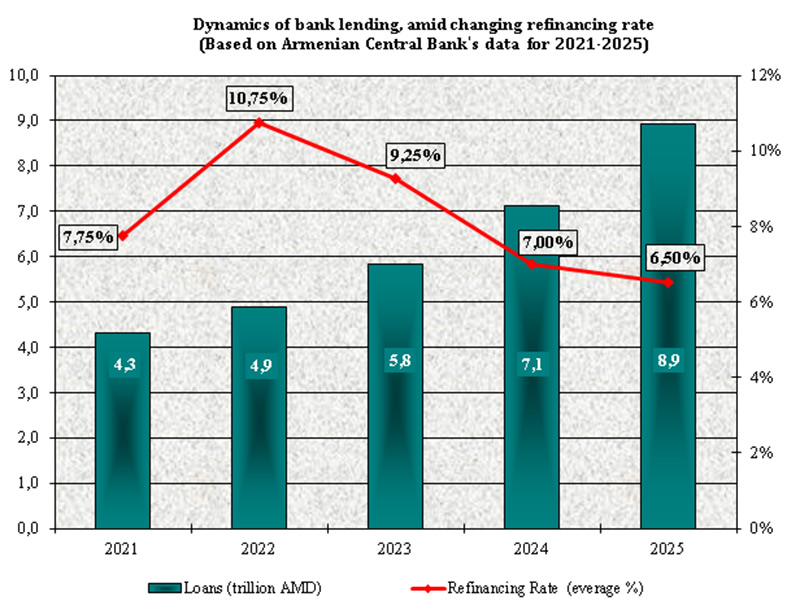
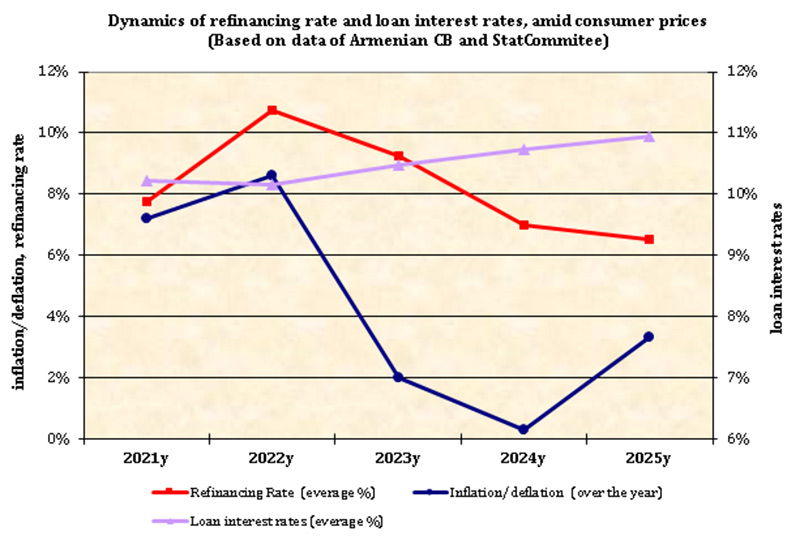
A slight decline in net interest margins and a stable cost of risk are observed Central bank refinancing rates in the region are higher than in developed markets, and declining inflation in the region should lead to a slight decline in these rates, or at least a stable level, in 2026. These rates have generally had a limited impact on local currency lending and term deposit rates over the past five years. S&P Global Ratings expects net interest margins to decline slightly by 10-30 basis points (bps) over the next 12-24 months, primarily reflecting increased competition. An increase in the share of high-margin consumer loans and loans to small and medium-sized enterprises (SMEs) should partially offset this pressure. Banks are likely to maintain lower provisioning costs compared to the average cost of risk over the cycle. Profit retention remains a key factor in supporting capitalization. Larger and more established banks are better positioned to continue sustainable lending growth and regularly pay dividends to shareholders. However, smaller institutions rely on shareholder capital injections to fund their growth. Banks' core capital consists primarily of Tier 1 capital. Capitalization levels will continue to exceed S&P Global Ratings' risk-adjusted capital (RAC) estimates due to differences in the calculation of asset risk weights and the approach to Tier 2 capital.
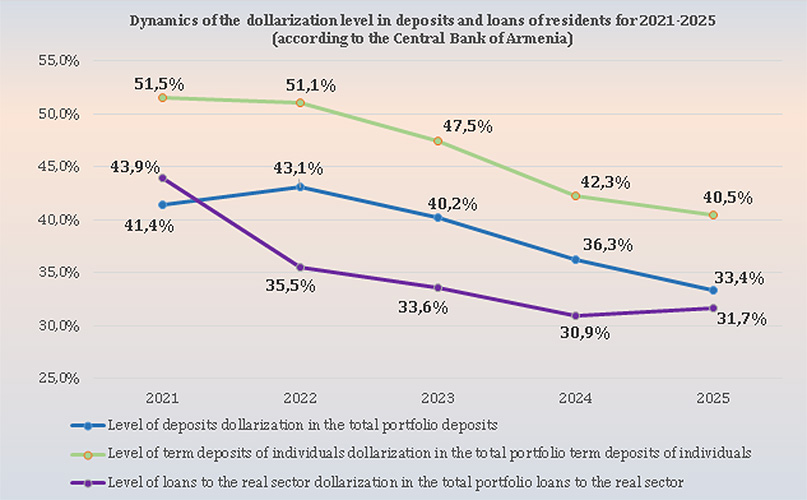
The banks' funding base is likely to remain stable Domestic deposits represent a significant source of funding for all countries in the region, with the exception of Uzbekistan. Stable funding means manageable financial risk for the region's banking sectors. Given shallow and underdeveloped domestic capital markets, domestic deposits, government funding, and funding from international financial institutions will remain the primary source of funding for regional banks. Although non-resident deposit inflows have declined from their peak in 2022-2023, they are expected to remain at 2024-2025 levels in 2026. These deposits are likely to remain relatively stable regardless of the development of regional conflicts. Major regional players are likely to increase their borrowing from international financial institutions, such as the European Bank for Reconstruction and Development (EBRD) and the European Investment Bank (EIB), to finance special development projects. Access to international capital markets for banks in the region will remain limited.