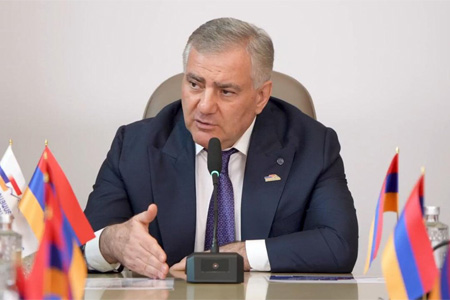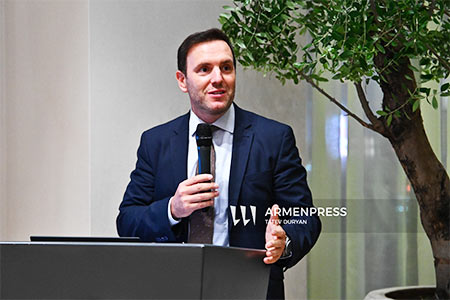


ArmInfo.Lavrov's statement on the price of gas supplied to Armenia with an emphasis on the problems of the functioning of Russian companies in Armenia was more than expected. Doctor of Political Sciences, President of the Institute for Energy Security Vahe Davtyan expressed a similar opinion to ArmInfo.
According to him, it is obvious that the problems related to the implementation of Russian investment programs in Armenia, should have been resolved through dialogue with Moscow, through diplomatic channels, special services and other institutions, instead of making the discovered violations the subject of an information campaign. "I think that the essence of allied relations should lie in a joint search for solutions, and the Armenian authorities made a serious mistake in this matter," the expert said. In his opinion, the new tariffs proposed by Gazprom Armenia will entail serious socio-economic problems. And although the new tariff regulation provides for a 2.3% reduction for consumers of natural gas who consume less than 10 thousand cubic meters, it is clear that the main burden of the new tariff policy will be borne by socially disadvantaged segments of the population, for whom the tariff today is 100 drams per 1cubic meter, while for the rest of the population it reaches 139 drams. Within the framework of the new settlement, it is supposed to cancel the discount with the establishment of the general tariff - 136 drams per 1 cubic meter. At the same time, it is planned to increase the tariff for business entities to 36%, especially for the greenhouse and manufacturing industries. All this will inevitably lead to deepening poverty in Armenia, the level of which reaches 23-24%.
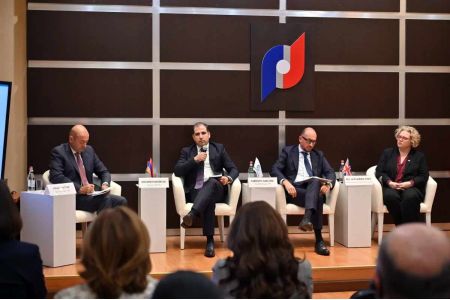
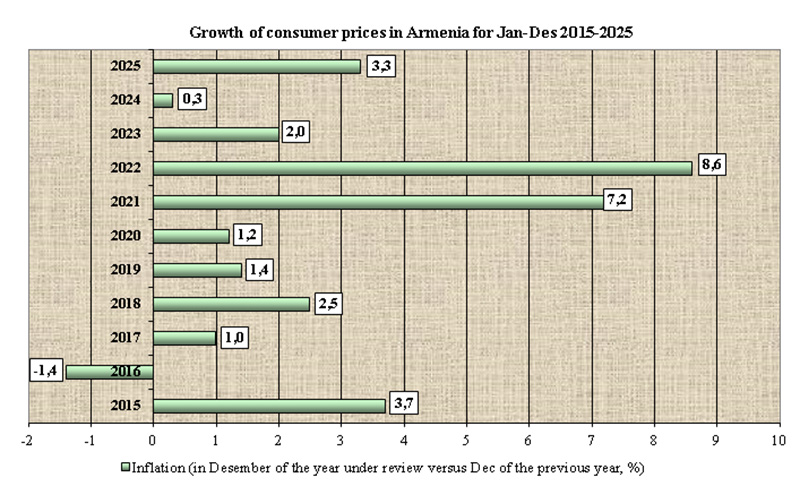
In general, according to Vahe Davtyan, the problem of tariff regulation, first of all, comes down to the model for managing the gas transmission system of Armenia worked out in 2013. In the framework of the internal rate of return for Gazprom Armenia is set at 9% per year. If the inflation factor is considered, we get a situation in which tariff growth becomes inevitable. Therefore, the Armenian side should include in the agenda of the Russian-Armenian "gas negotiations" the issue of revising the rate of return. To recall, yesterday during an online round table organized by the Gorchakov Foundation, Russian Foreign Minister Sergei Lavrov noted that the Ministry of Energy of the Russian Federation and Gazprom deal with the issue of gas prices for Armenia. He noted that one of the problems, which is already chronic and has not been resolved for several years, is the internal tariffs in Armenia. According to him, such tariffs make it difficult to apply the most preferential approaches to pricing.